

01Why fly instead of trek
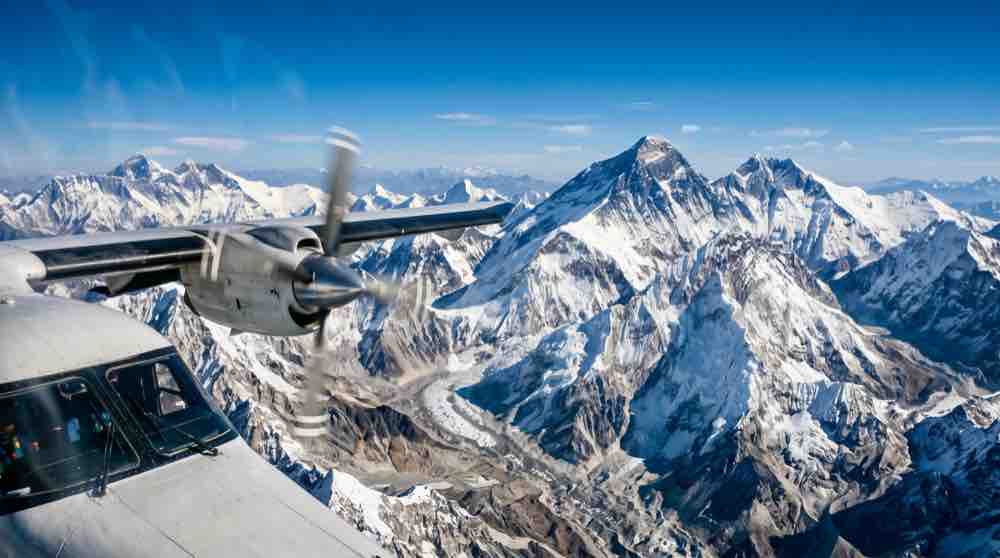
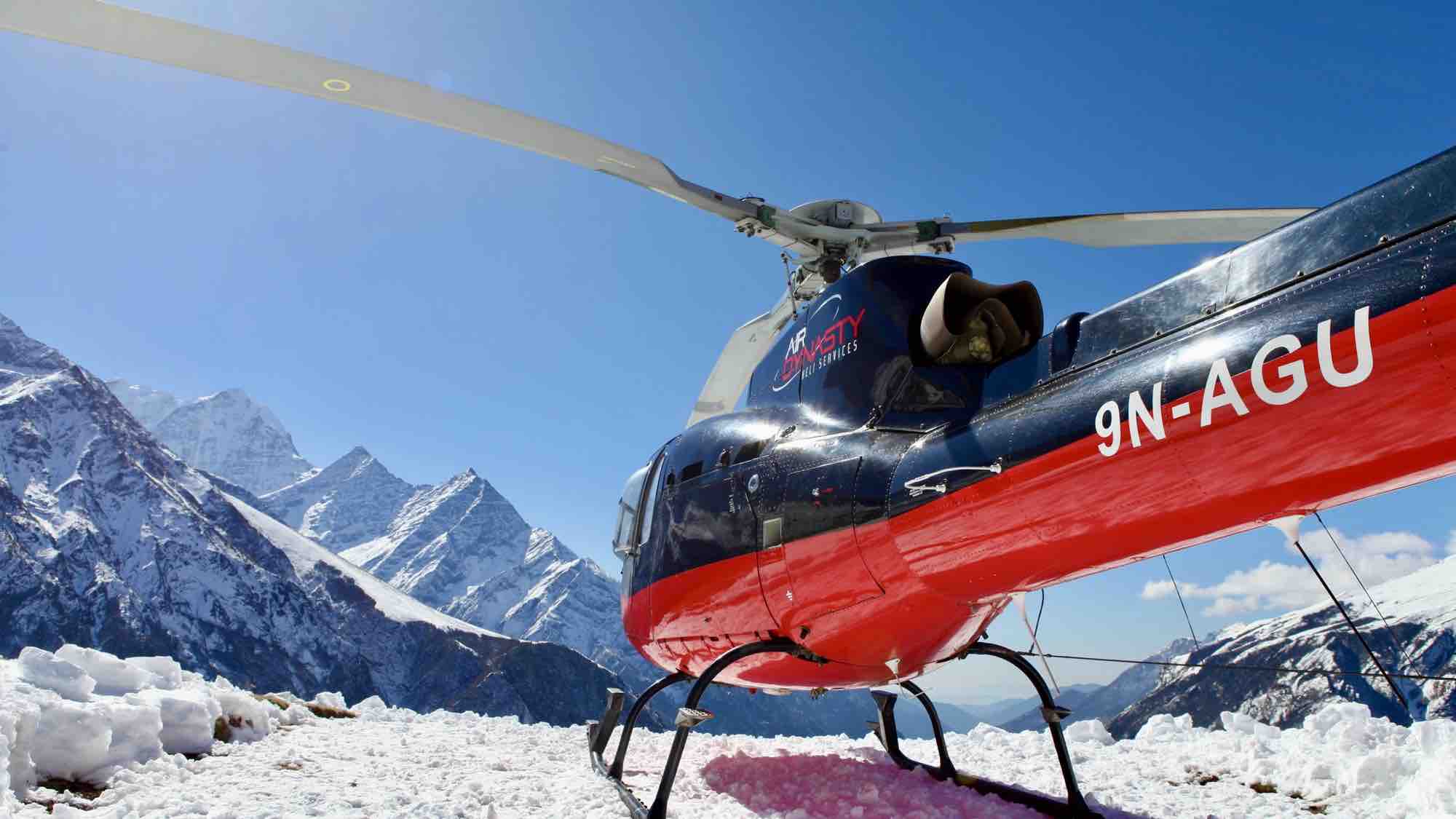
Walking to Everest Base Camp takes about twelve days there and back, with acclimatisation days on the way. The Everest Base Camp helicopter tour shows you the same glaciers and peaks in a single morning, which makes it ideal for travellers with little time, families, older travellers and anyone who cannot trek at altitude.
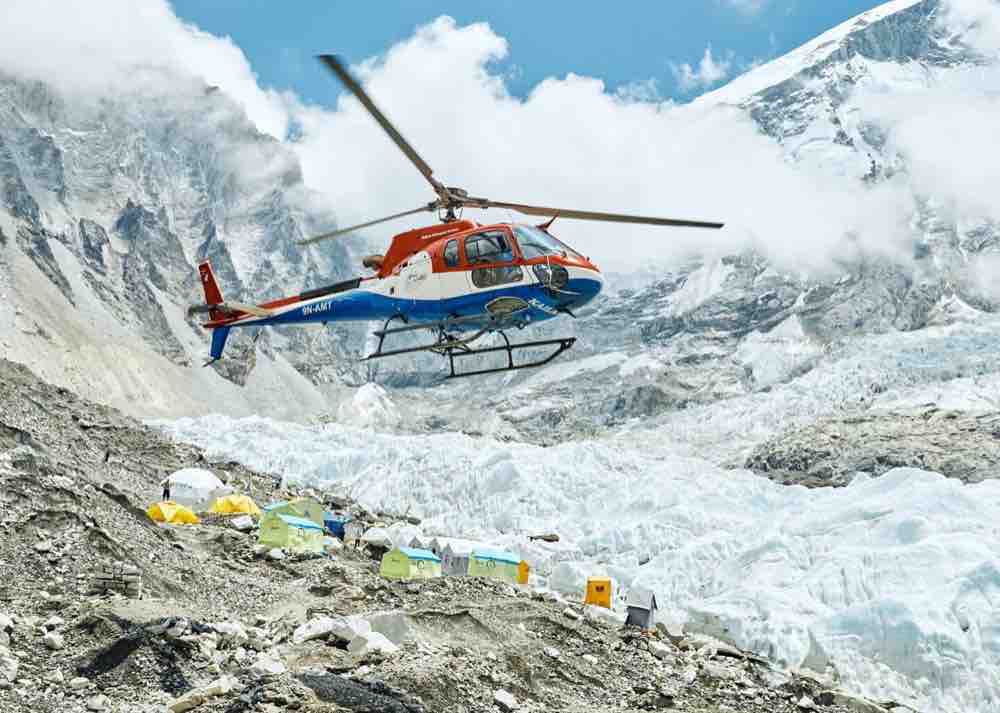
You leave Kathmandu soon after dawn, refuel at Lukla, fly up the Khumbu Valley over Everest Base Camp and the Khumbu Glacier, and are back at your hotel by early afternoon, often in time for lunch.
02How the morning works
- Early pickup from your hotel and transfer to Kathmandu's domestic airport.
- Check-in, safety briefing and take-off towards the Everest region.
- Short landing at Lukla to refuel.
- Shared flights often split passengers into smaller loads at Pheriche or Hotel Everest View for the high-altitude leg.
- Flyover of Everest Base Camp and the Khumbu Glacier, and the Kala Patthar landing on the options that include it.
- About an hour at Hotel Everest View (3,880 m) for breakfast and photos.
- Flight back to Kathmandu via Lukla and transfer to your hotel.
Waiting time at Lukla, Pheriche or Hotel Everest View is normal while the pilot shuttles passengers. Enjoy the views and keep your camera ready.
03The six options at a glance
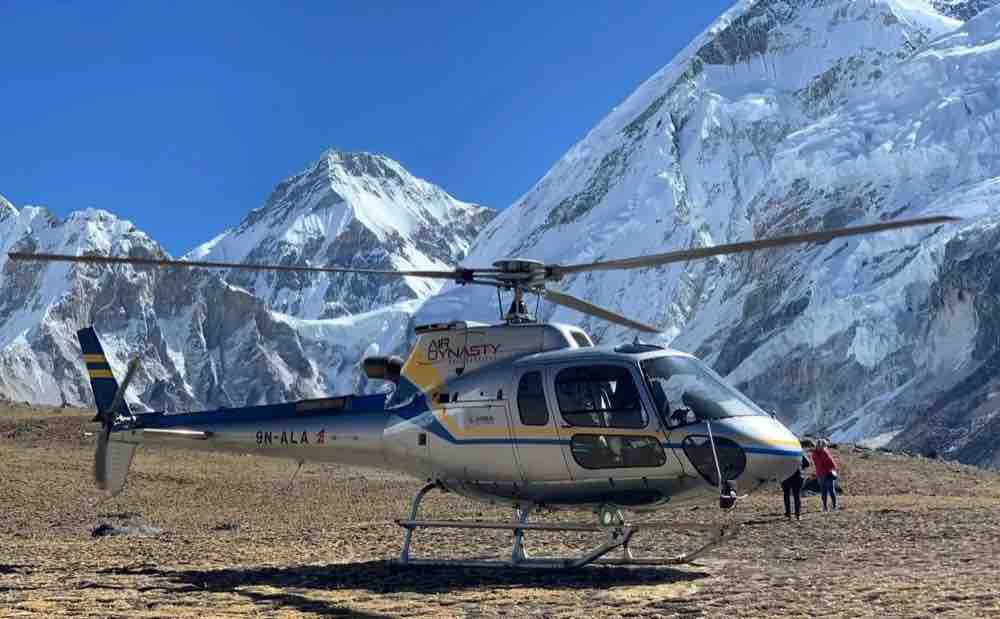
On the shared options, breakfast at Hotel Everest View (about US$35) and the national park permit and airport tax (about US$50, in cash) are paid on the day. The private options include them. See every price on the tour page.
04Kala Patthar and Gokyo: the two landings
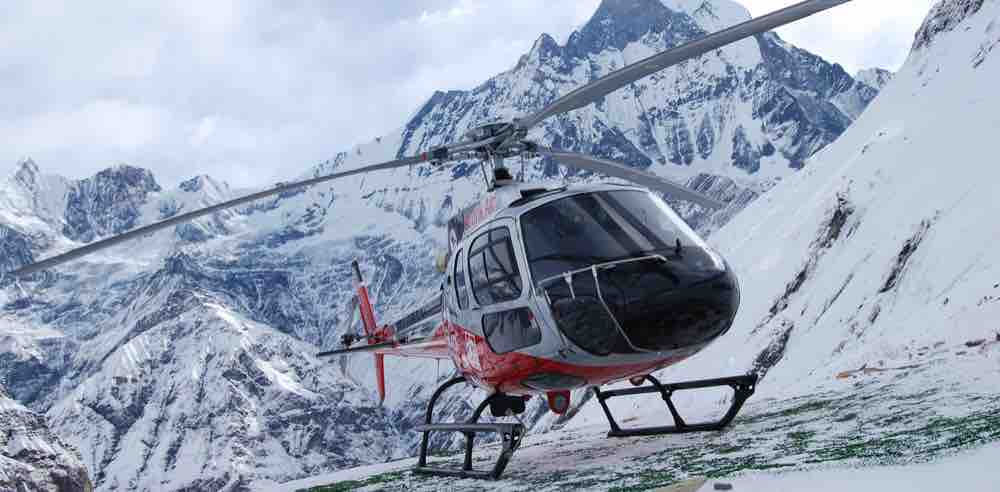
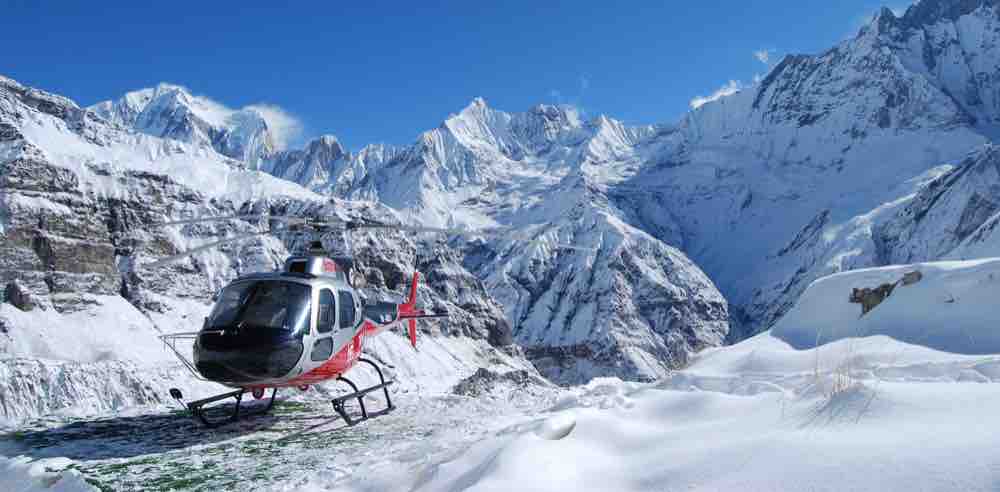
Helicopters do not land at Everest Base Camp itself. The classic landing is Kala Patthar (about 5,545 m), a dark rocky ridge above Gorak Shep with the best close view of Everest's summit pyramid, Nuptse and Pumori. The stop is short, usually a few minutes, because the air is very thin.
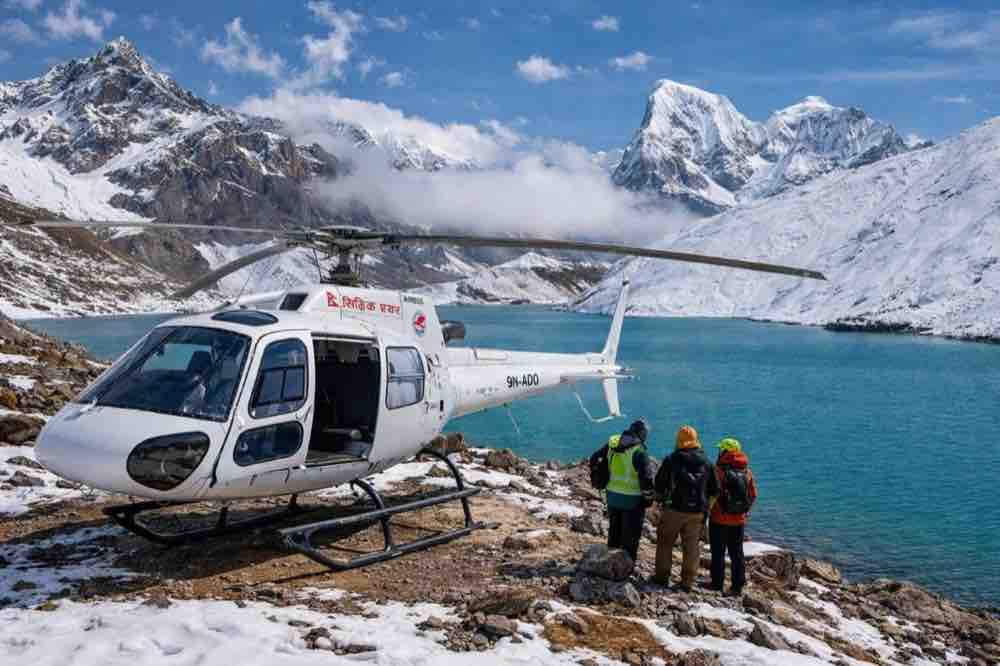
Options 3 and 6 add a landing by the Gokyo Lakes, a chain of turquoise glacial lakes below Cho Oyu, the world's sixth-highest mountain. It is one of the most beautiful places in the Himalaya and few trekkers ever see it.
05Weather, weight and safety
- Flights leave early, when the sky is clearest; clouds usually build by late morning.
- Keep one or two spare days in Kathmandu in case weather delays the flight.
- Helicopters have strict weight limits at altitude, so we need every passenger's accurate weight when you book.
- High-altitude landings are brief and the pilot decides how long to stay.
- Tell the pilot at once if you feel dizzy or short of breath.
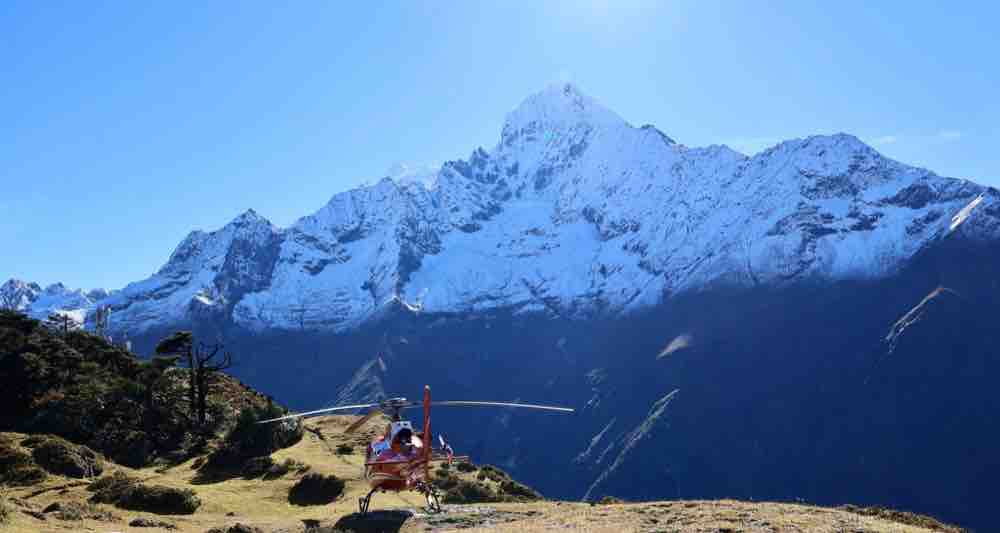
Travel insurance that covers high-altitude helicopter flights is strongly recommended.
06What to wear and bring
It is well below freezing at Kala Patthar, even on a sunny morning, while Kathmandu may be warm. Dress in layers you can add before landing.
- Warm down or fleece jacket, hat and gloves.
- Sunglasses and sunscreen: the light at altitude is intense.
- Comfortable shoes with good grip for rocky ground.
- Passport for the permit.
- Nepali rupees for breakfast and the permit on shared options.
- A charged phone or camera with a spare battery; cold drains batteries fast.
07Other ways to see Everest
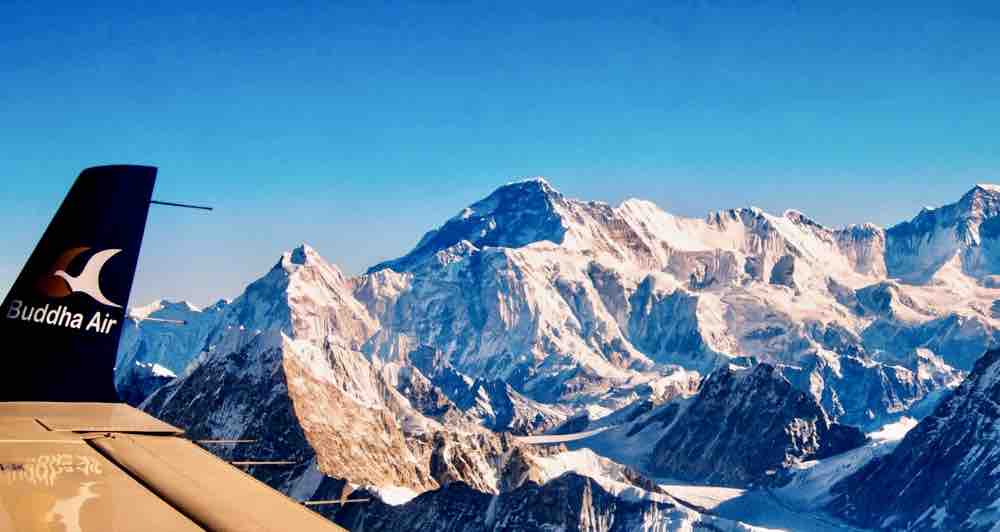
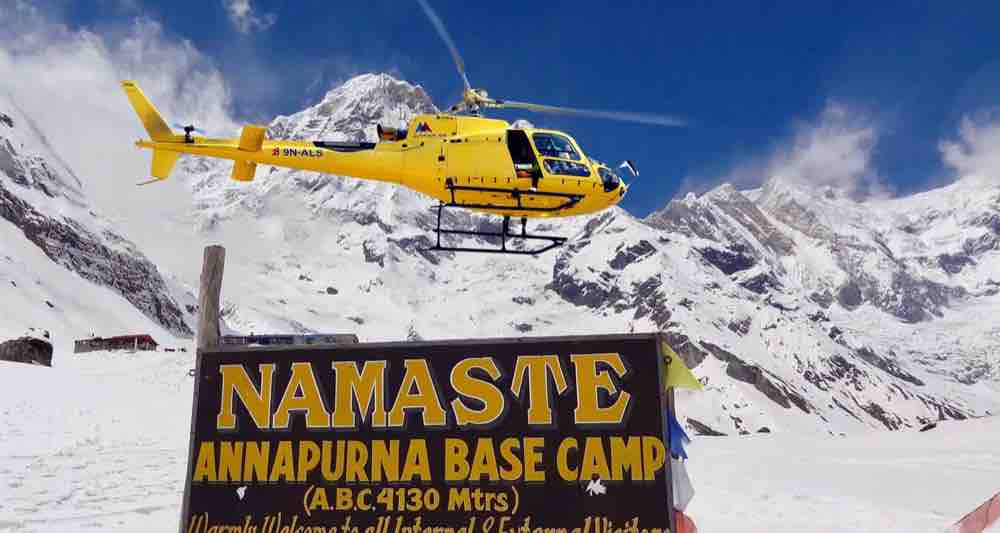
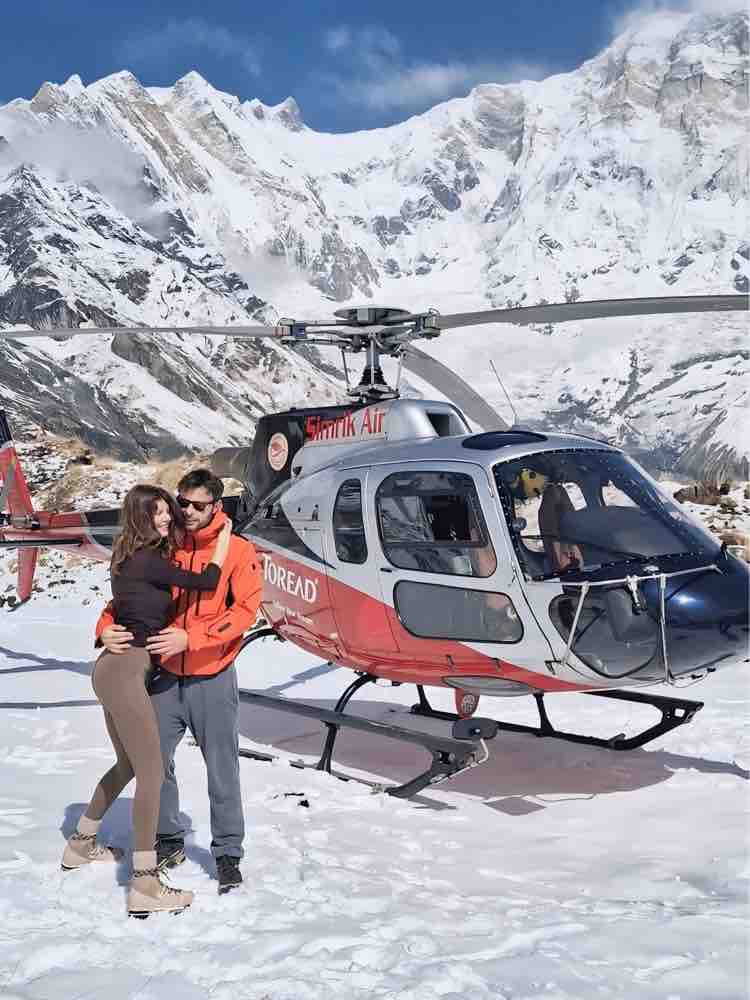
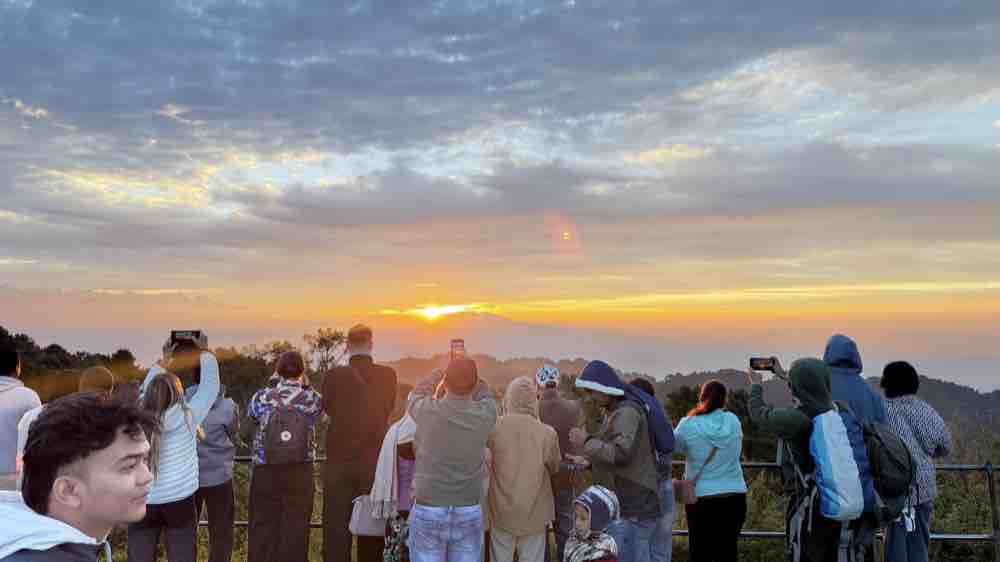
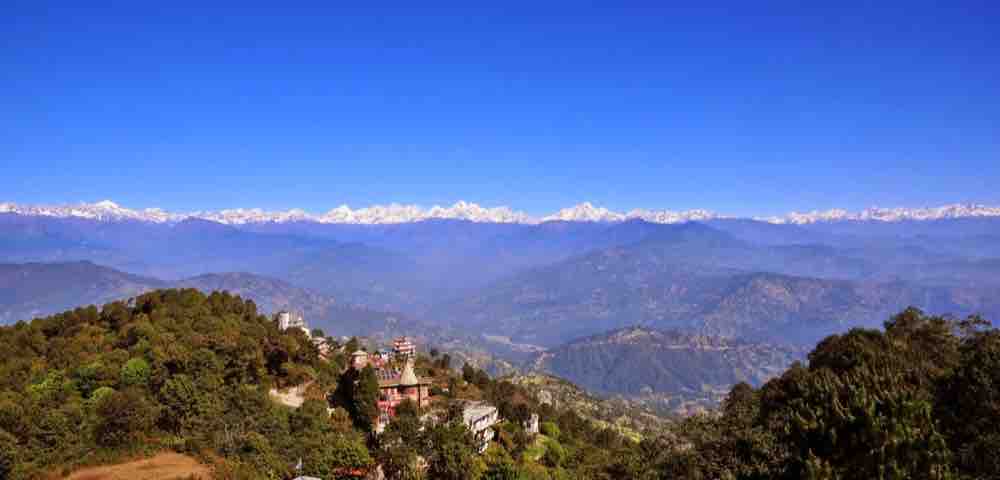
If a helicopter is outside your budget, the one-hour Everest mountain flight gives every passenger a window seat along the Himalaya; read our mountain flight guide. In Pokhara, the Annapurna Base Camp helicopter tour lands right inside the Annapurna Sanctuary. For views from the ground, see sunrise on the Nagarkot hike, and read when you can see the Himalaya to plan the clearest days.