

01One World Heritage Site, seven monument zones
UNESCO listed the Kathmandu Valley in 1979 as a single World Heritage Site made up of seven separate monument zones. Together they tell the story of more than 2,000 years of Hindu and Buddhist art, architecture and daily worship, much of it built by the Newar people under the Licchavi and Malla kings.
The great earthquake of 2015 damaged many monuments. Most have since been carefully rebuilt using traditional materials and methods, and restoration work is still visible in places, which is part of the story today.
02Kathmandu Durbar Square (Hanuman Dhoka)
Kathmandu's royal square was the seat of the kings until the 19th century. Walk past the Hanuman statue into the palace courtyards, look up at the tall Taleju temple, and visit the Kumari Ghar, home of the Kumari, a young girl worshipped as a living goddess, who sometimes appears at her carved window.
The lanes north of the square lead into Indra Chowk and Asan, the old trading heart of the city and the best place in Kathmandu for street food. Taste it on the food and drink walking tour.
Come in the morning, when locals bring offerings to the shrines and the square is at its most alive.
03Patan Durbar Square
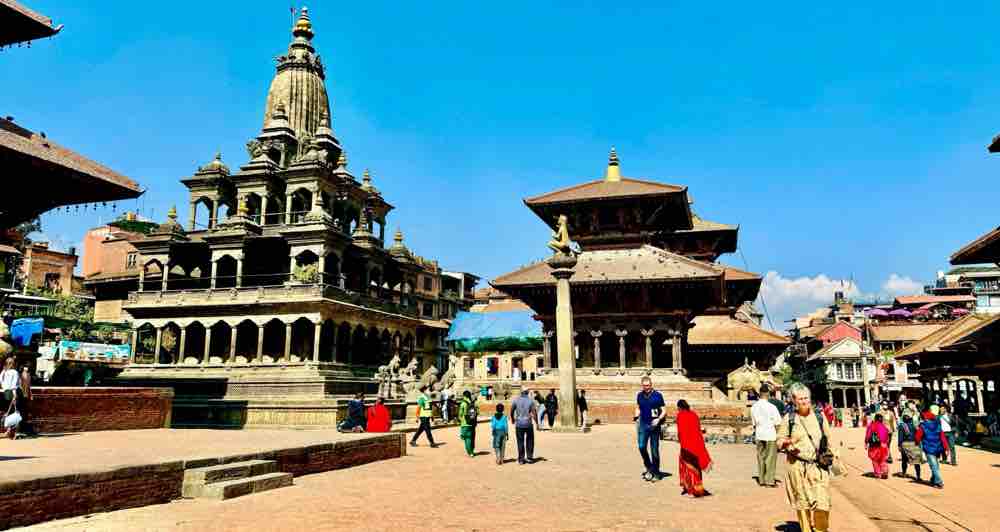
Patan, across the Bagmati River, is the city of fine arts. Its Durbar Square is packed with temples, including the stone Krishna Mandir with its scenes from Hindu epics carved in stone. The old palace now holds the Patan Museum, one of the best museums in South Asia for understanding the gods and symbols you see across the valley.
Just north of the square, the Golden Temple (Hiranya Varna Mahavihar) is a Buddhist courtyard monastery glittering with gilded copper. Patan's quieter lanes are full of metalworkers' workshops. See our Patan page for more.
04Bhaktapur Durbar Square
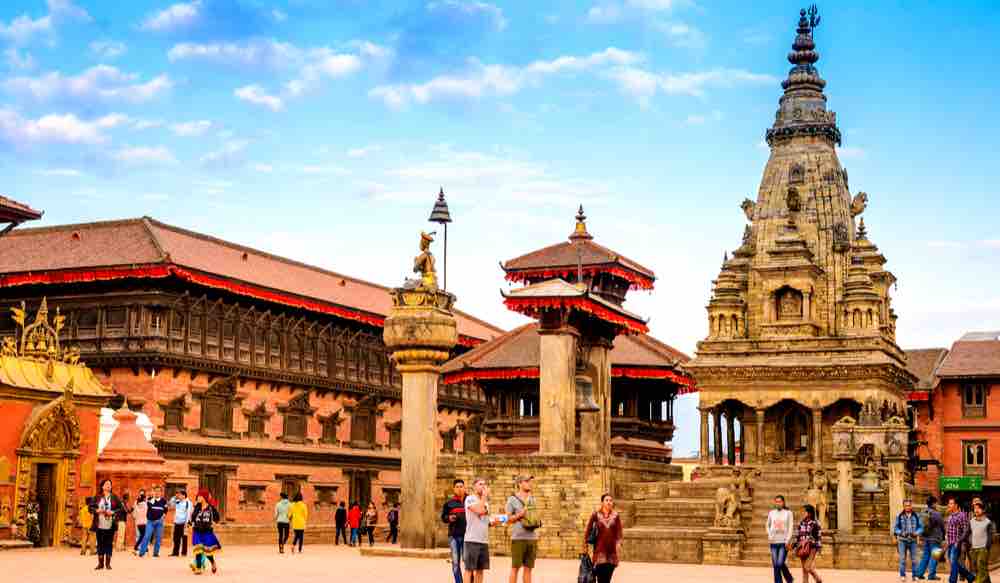
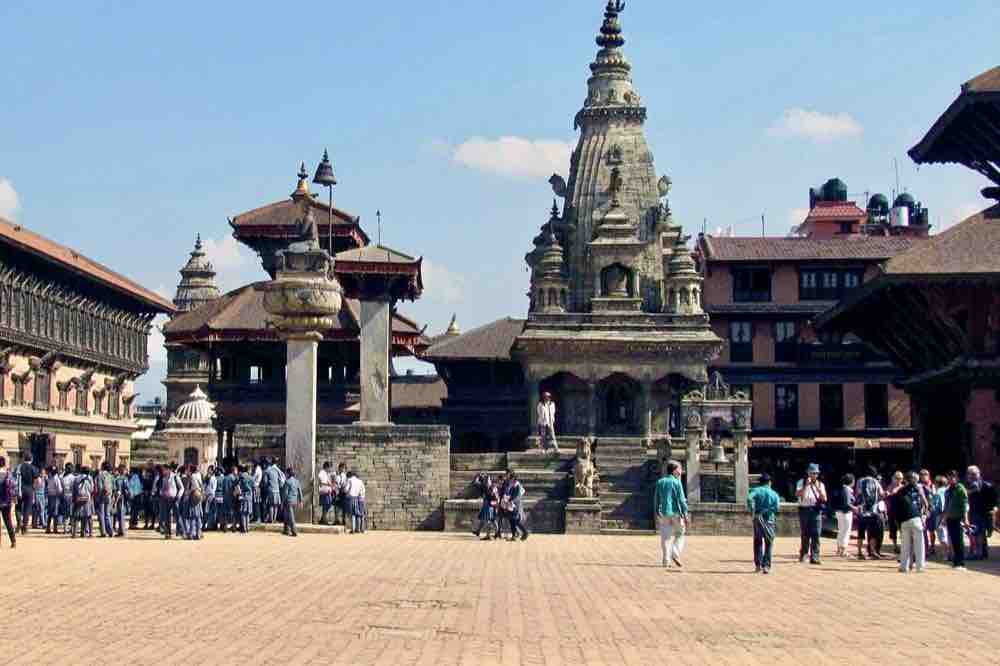
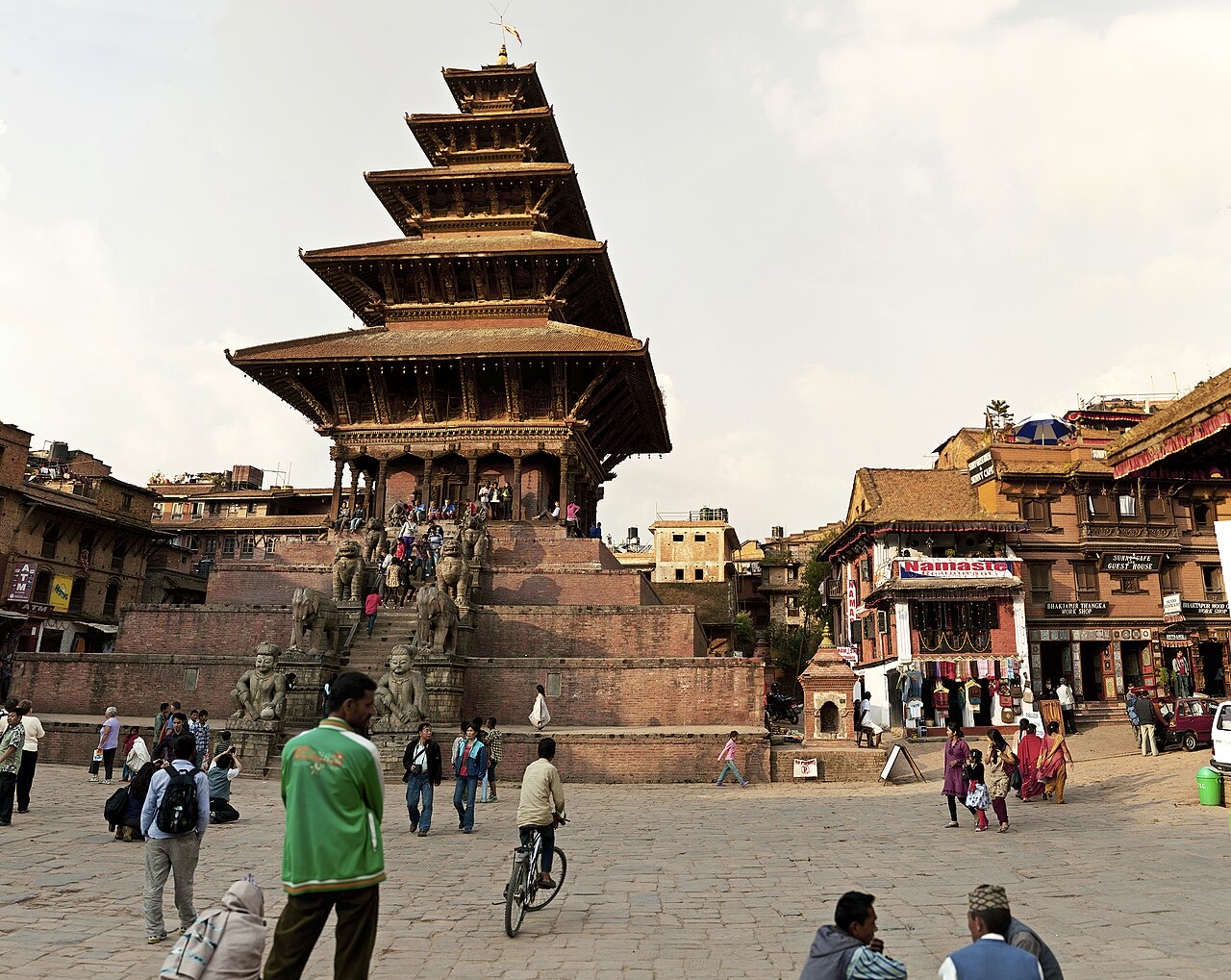
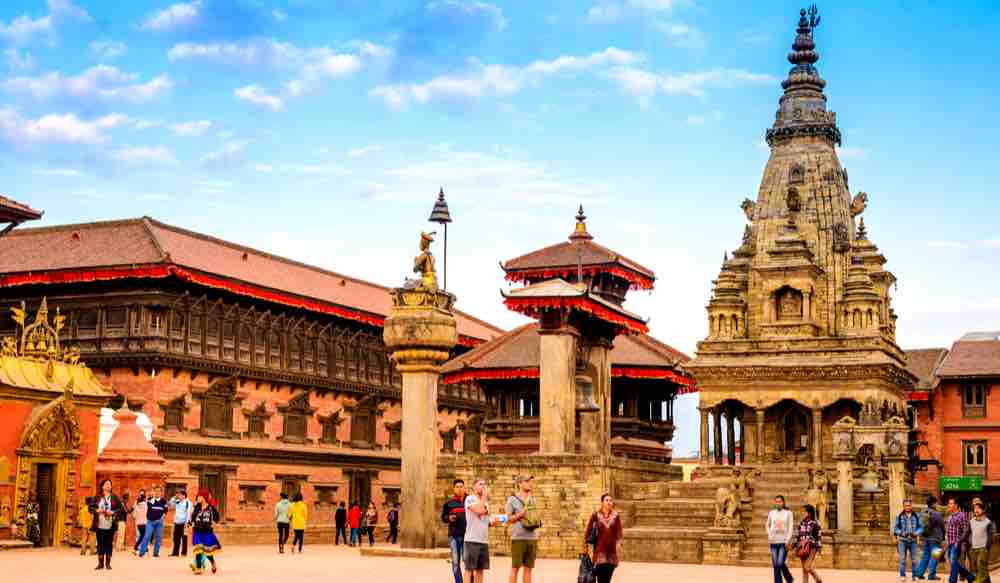
Bhaktapur feels like stepping back several centuries. Much of the old town is closed to traffic, so you can wander between Durbar Square with its 55-window palace, Taumadhi Square with the five-tiered Nyatapola temple, and Pottery Square, where families still shape clay on wooden wheels.
Leave time for a bowl of juju dhau, Bhaktapur's famous "king curd", and read our Nepali food guide for more local dishes. The Bhaktapur and Nagarkot tour combines the city with Himalayan views at Nagarkot.
05Swayambhunath and Boudhanath: the two great stupas
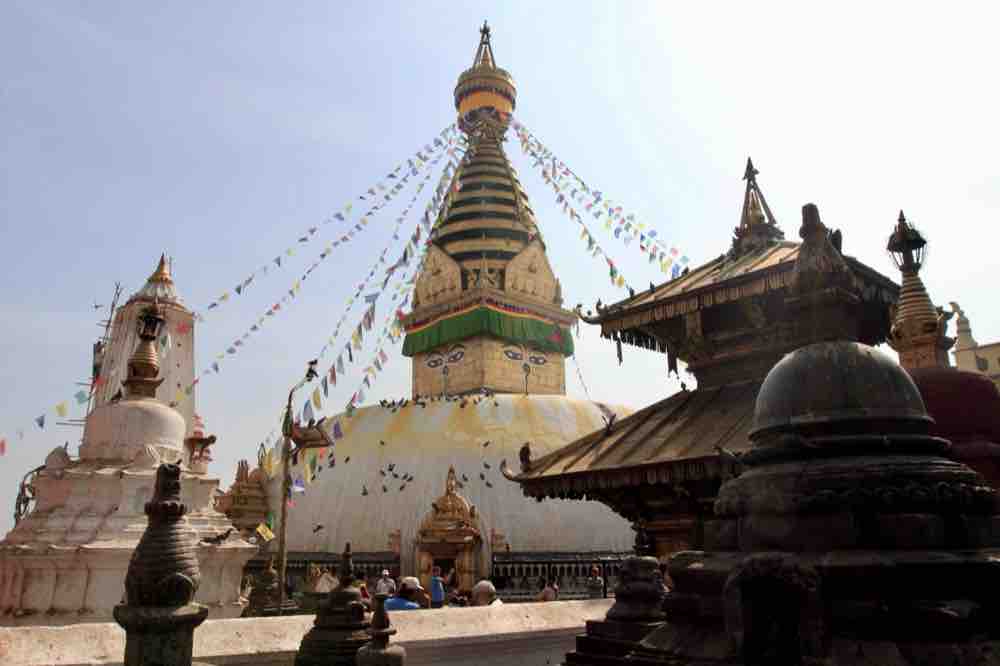
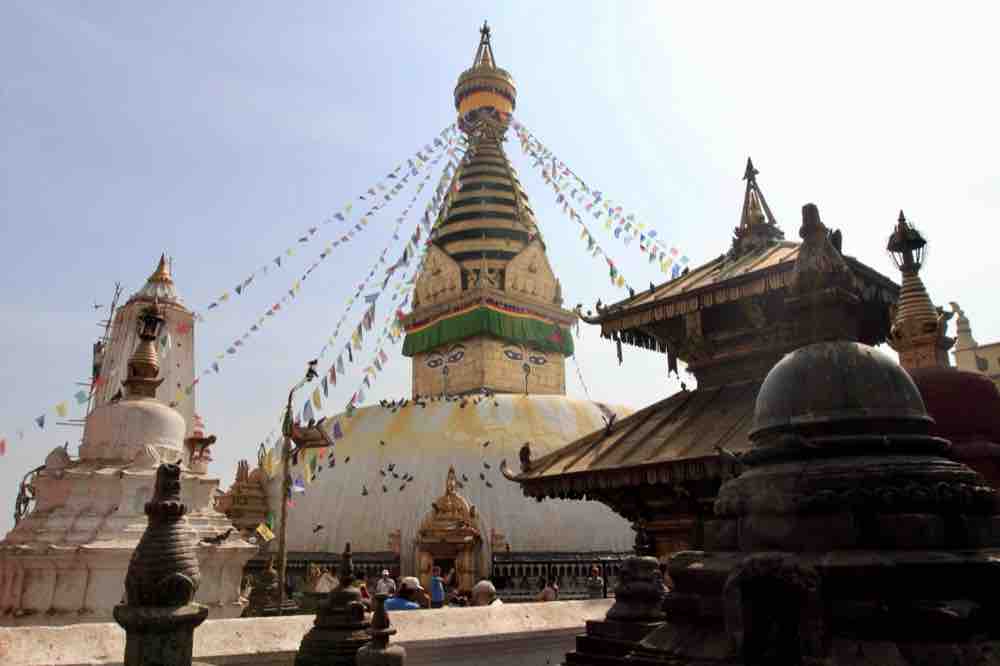
Swayambhunath crowns a hill west of the city. Climb the long eastern stairway past stone Buddhas and playful monkeys to the white dome, painted with the all-seeing eyes of the Buddha, and enjoy one of the best views over the valley. It also features on the Chandragiri cable car and Swayambhunath tour.
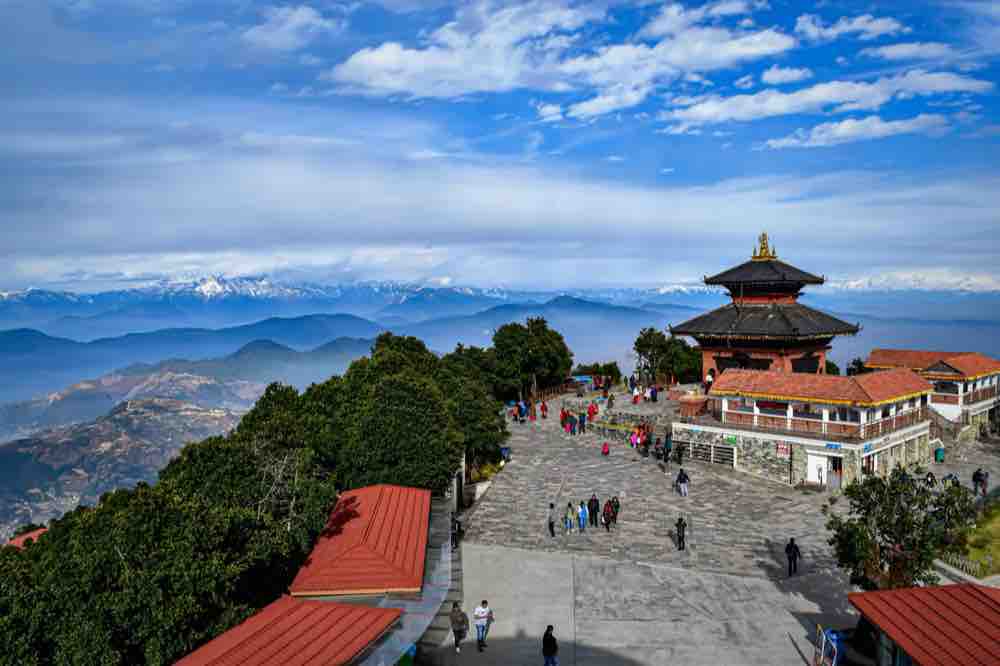
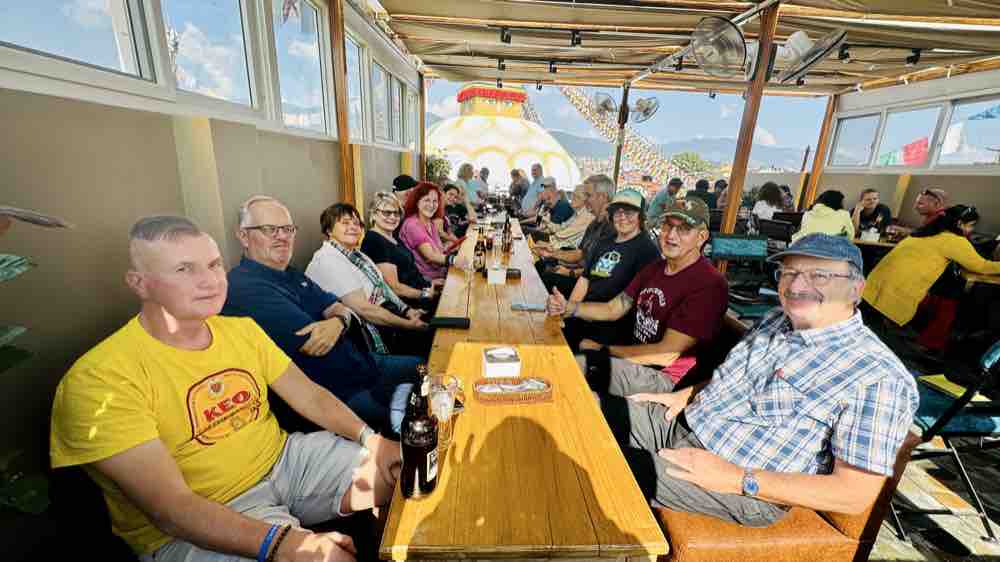
Boudhanath, to the east, is one of the largest stupas in the world. Since the 1960s it has been the centre of Nepal's Tibetan community, ringed by monasteries, butter-lamp shops and rooftop cafés. Come in the late afternoon, when hundreds of pilgrims walk the circuit, spinning prayer wheels.
Always walk clockwise around a stupa and spin prayer wheels with your right hand. Our temple etiquette guide explains why.
06Pashupatinath and Changu Narayan: two great Hindu temples
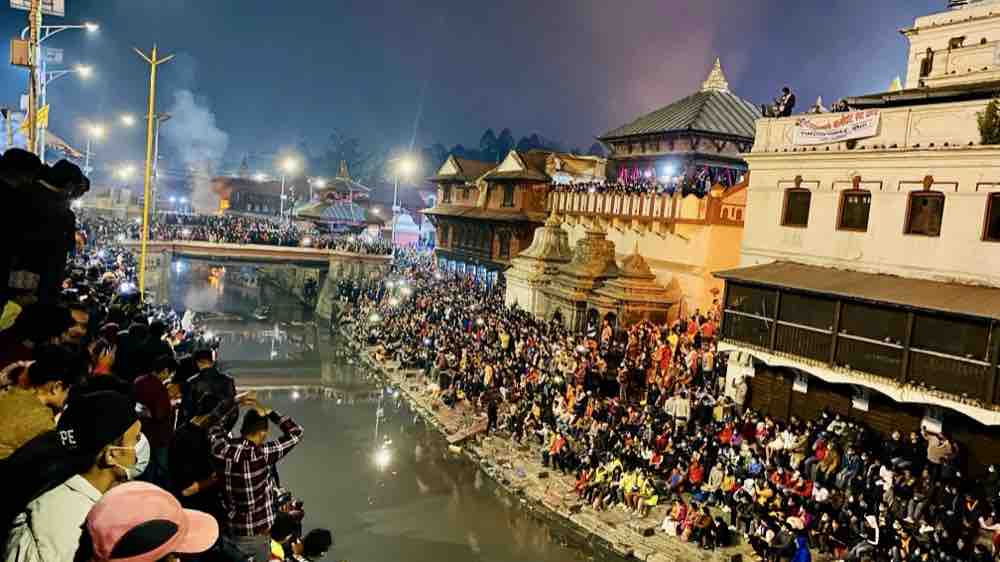
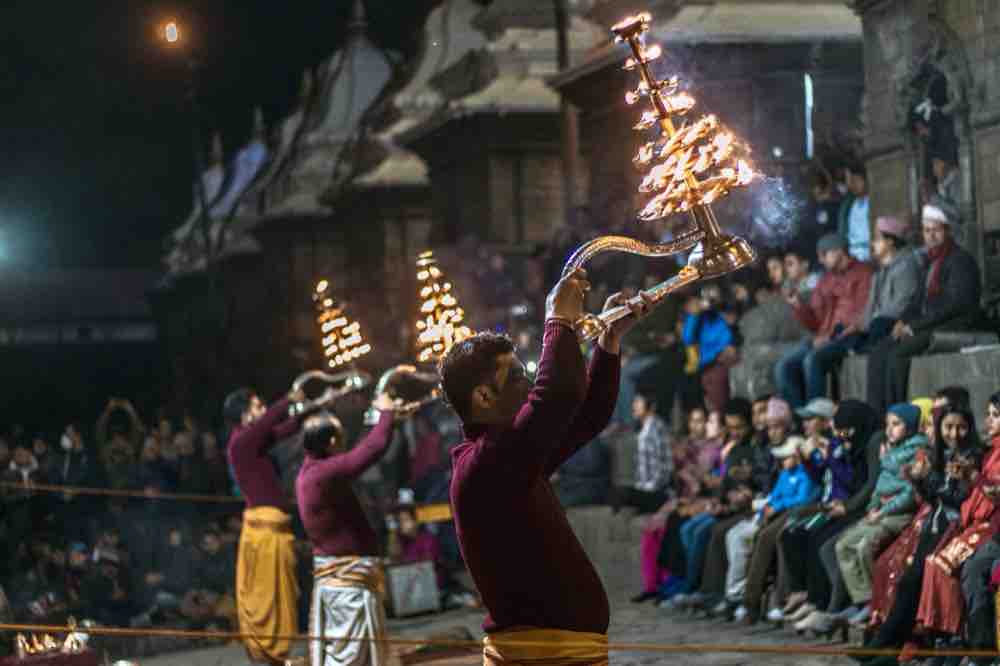
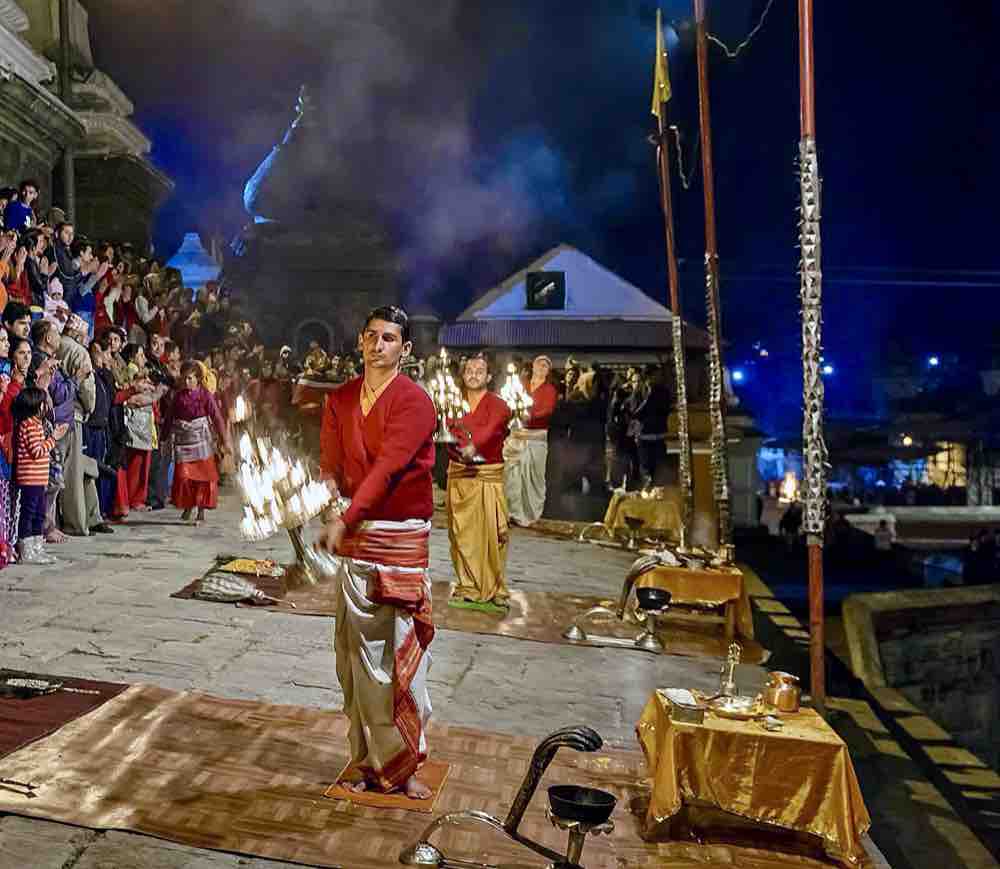
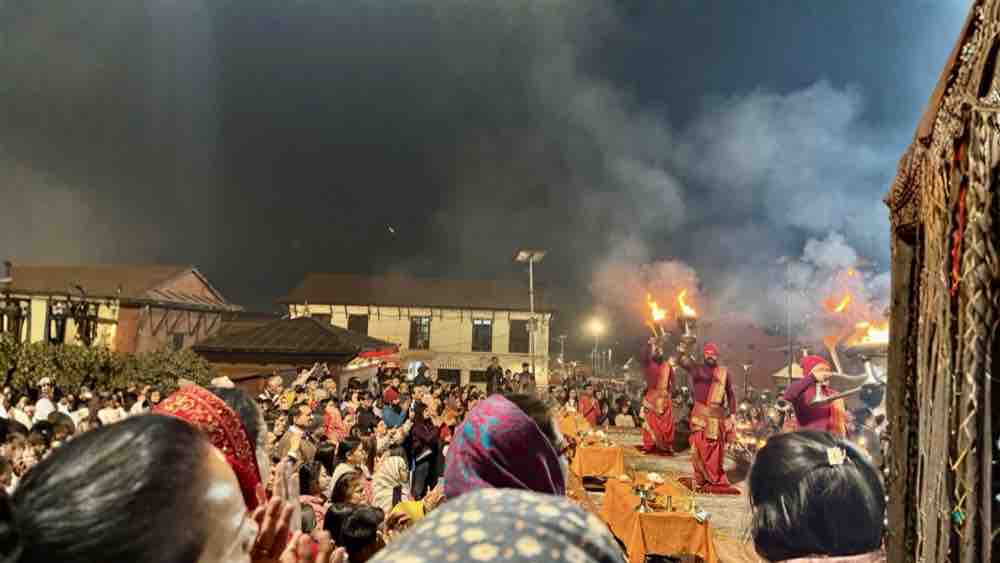
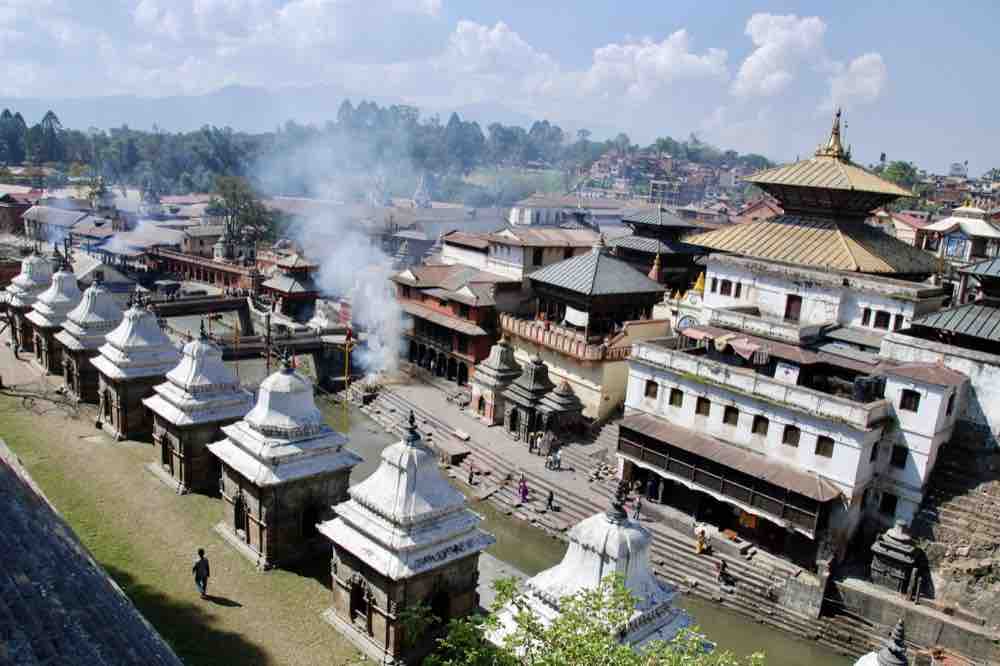
Pashupatinath on the Bagmati River is Nepal's most sacred Hindu temple, dedicated to Shiva as Lord of the Animals. Non-Hindus may not enter the main temple, but can explore the riverside shrines, the sadhus' courtyards and the cremation ghats, where families say farewell to their loved ones. Every evening priests perform the Aarati ceremony of fire and music; see it on the Pashupatinath evening Aarati tour.
Changu Narayan sits on a ridge east of the city among villages and fields. Dedicated to Vishnu, it is the oldest temple in the valley, with a stone pillar inscription from the 5th century and superb wood and stone carvings. It is a peaceful counterpoint to the busy city sites.
07How to plan your visit
- In one long day: the 7 UNESCO sites tour covers all seven with an early start, a guide and a private vehicle.
- In one relaxed day: the 4 UNESCO sites tour visits Swayambhunath, Patan, Pashupatinath and Boudhanath.
- Over two days: do the four-site tour on day one, then the Bhaktapur and Nagarkot tour on day two.
- Add an evening: return to Pashupatinath for the Aarati ceremony.
Spending only one free day in the city? Read how to spend one day in Kathmandu.
08Entrance fees, opening hours and practical tips
Each monument zone charges foreign visitors an entrance fee, paid in Nepali rupees at the gate. The Durbar Squares charge the most (Bhaktapur's is the highest), while the stupas and Changu Narayan cost less. Fees change from time to time, so carry enough cash; our all-inclusive private tours pay them for you.
- Sites are open from early morning until dusk; mornings and late afternoons are the most atmospheric.
- Cover shoulders and knees, and wear shoes that slip off easily.
- Keep your ticket: you may be asked to show it again inside the zone.
- Hire a licensed guide or join a guided tour to understand the symbols and stories.
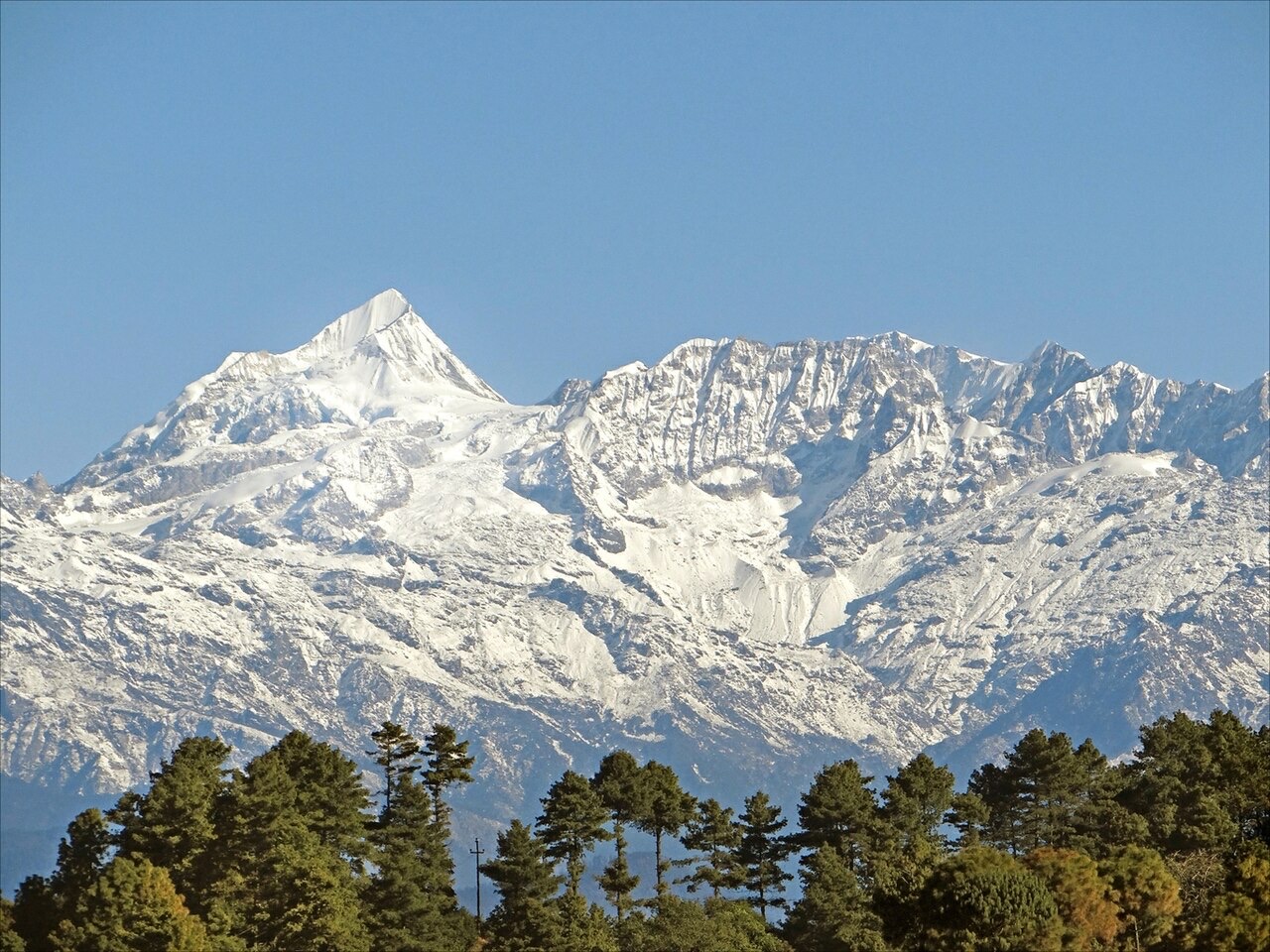
- October to April is the most comfortable season; see when to see the Himalaya to add a mountain day.
Photos from these tours
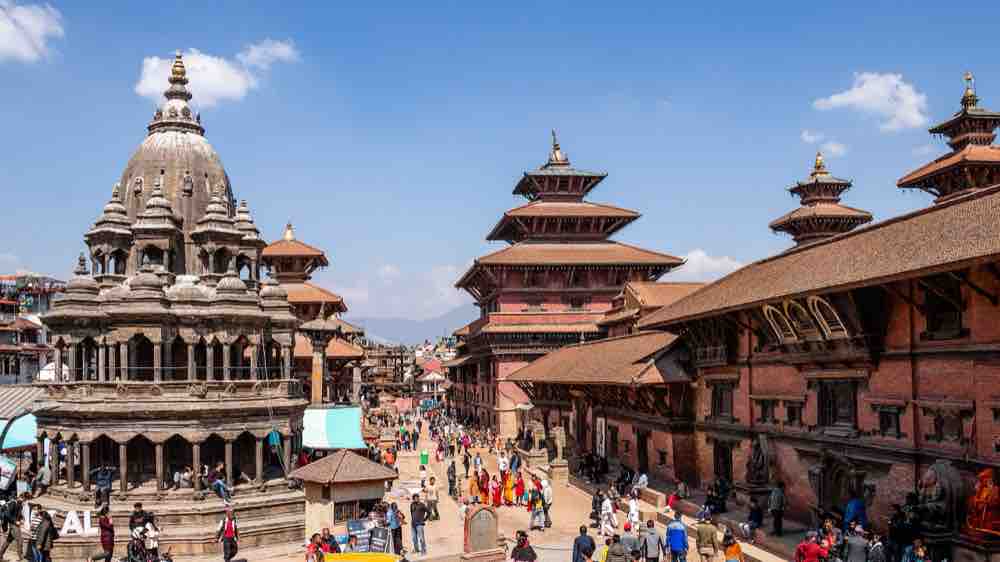 4 UNESCO World Heritage Sites Tour with Lunch - Private/Group
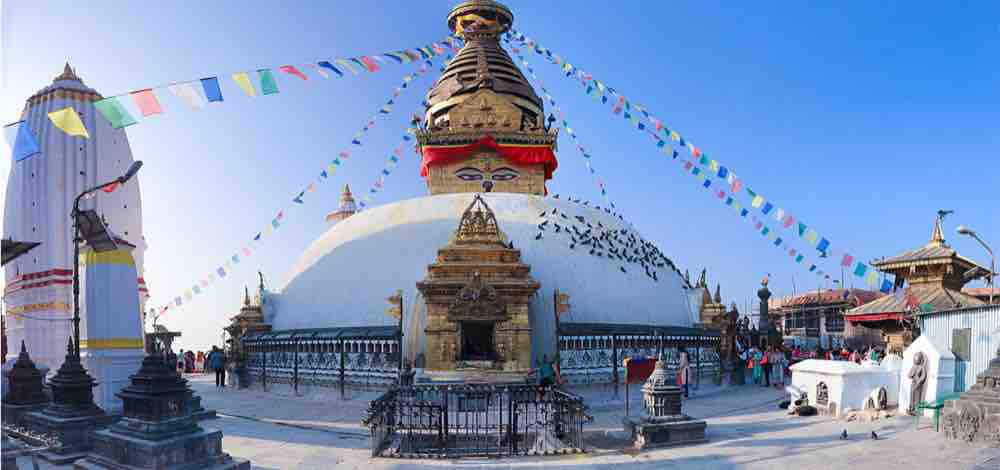 4 UNESCO World Heritage Sites Tour with Lunch - Private/Group
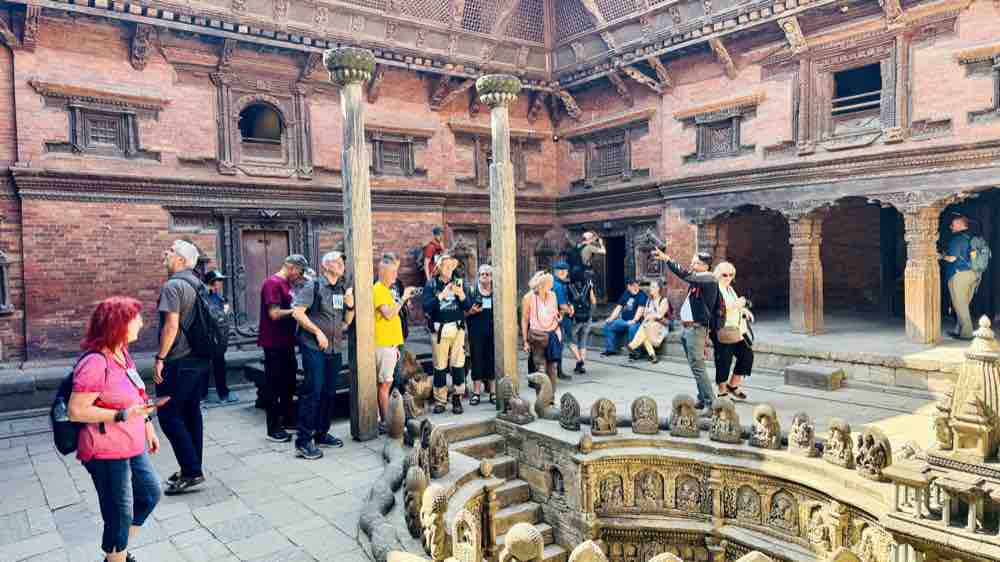 4 UNESCO World Heritage Sites Tour with Lunch - Private/Group
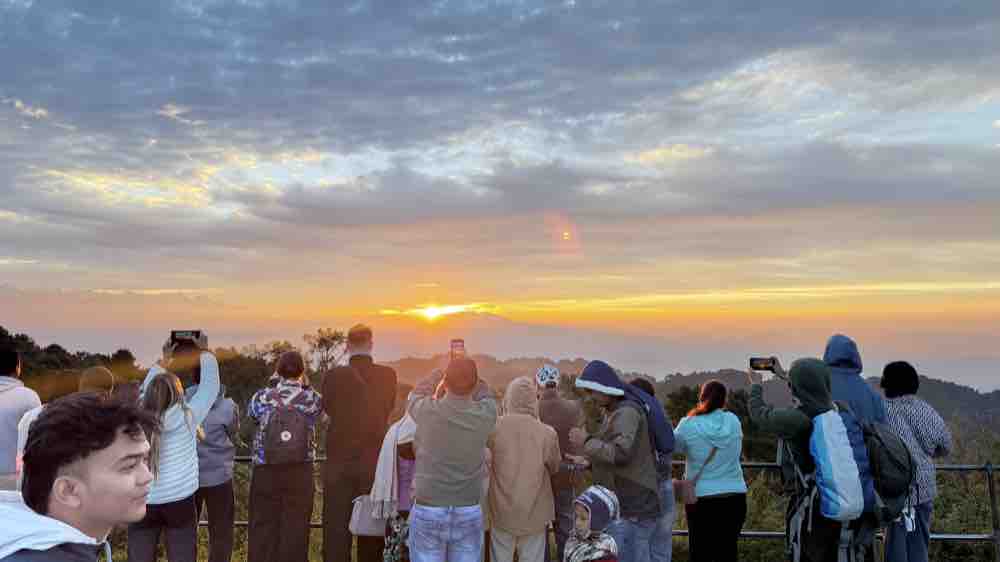 Bhaktapur Durbar Square & Nagarkot Day Tour with Lunch - Private/Group
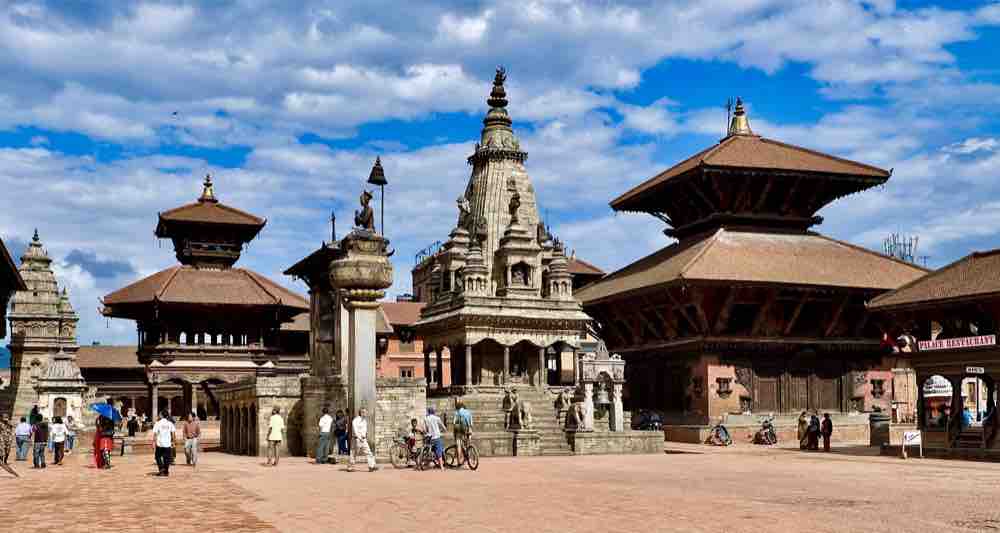 Bhaktapur Durbar Square & Nagarkot Day Tour with Lunch - Private/Group
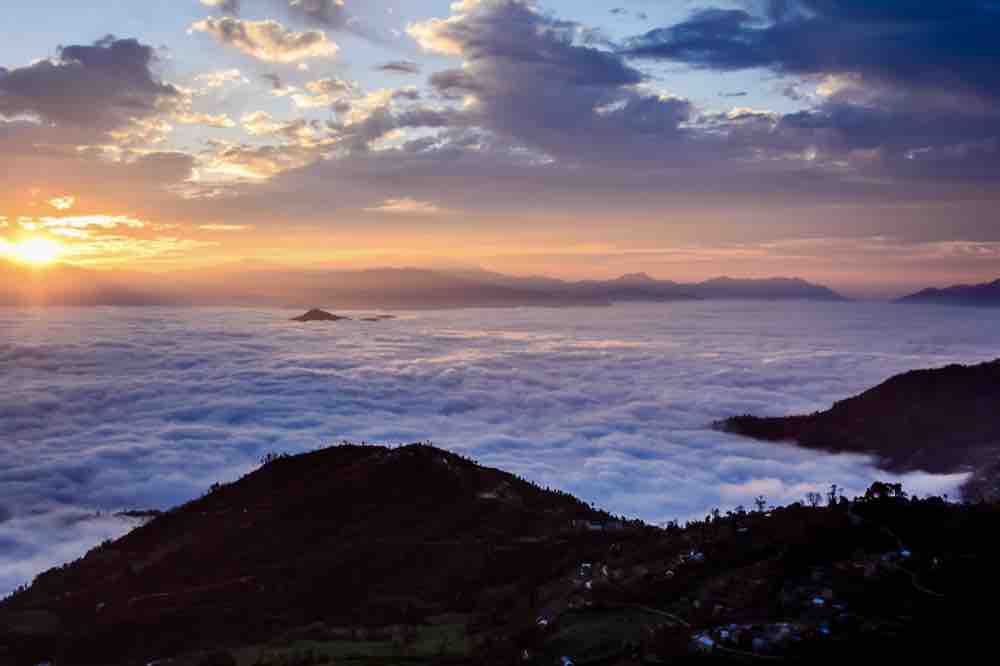 Bhaktapur Durbar Square & Nagarkot Day Tour with Lunch - Private/Group