

01Momo: Nepal's favourite dumpling
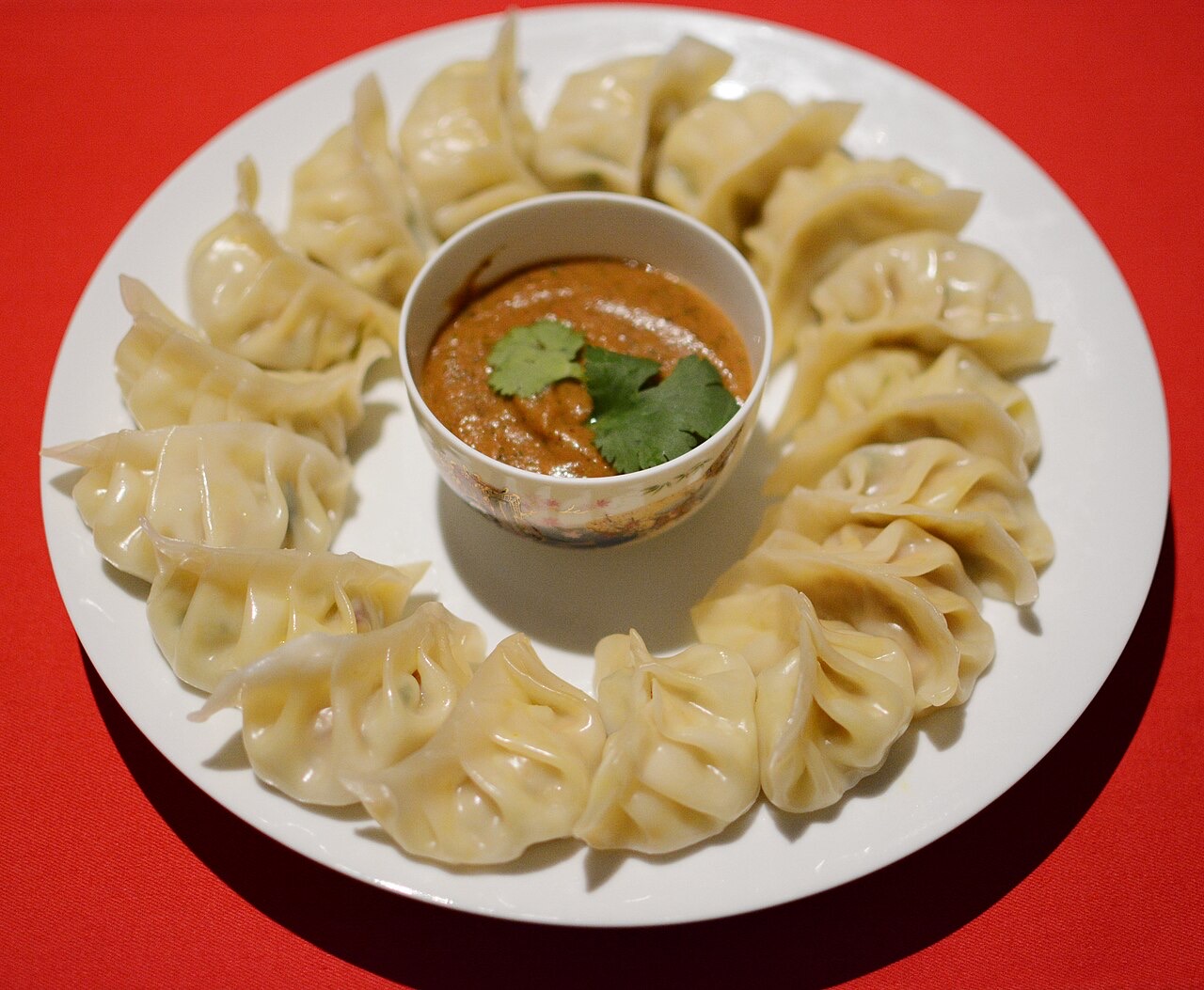
If you eat one thing in Kathmandu, make it momo. These small dumplings came over the mountains from Tibet and became the city's everyday snack, sold from tiny shops on almost every street. The classic filling is buffalo ("buff"), but chicken, pork, vegetable and paneer are everywhere.
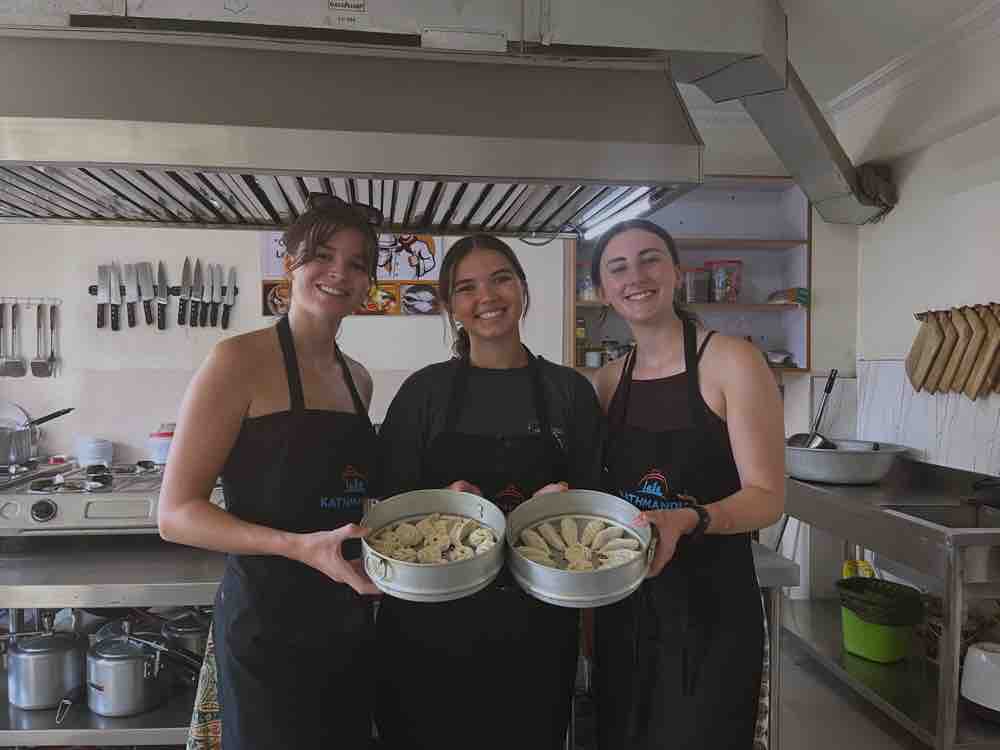
A plate usually has ten pieces. Busy shops with a fast turnover serve the freshest momos; look for the steamer stacks steaming at the door.
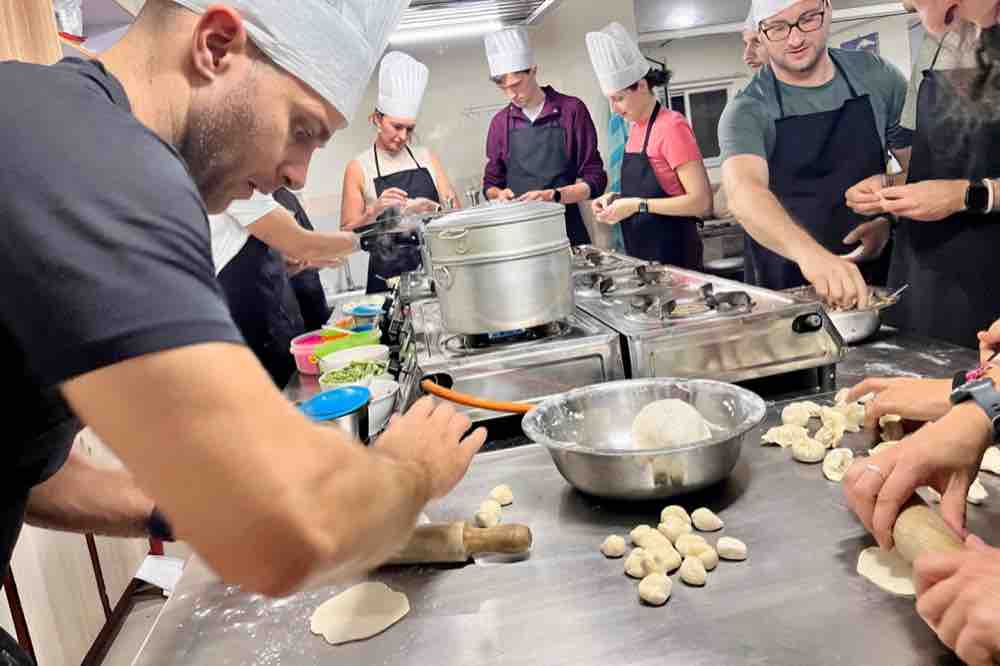
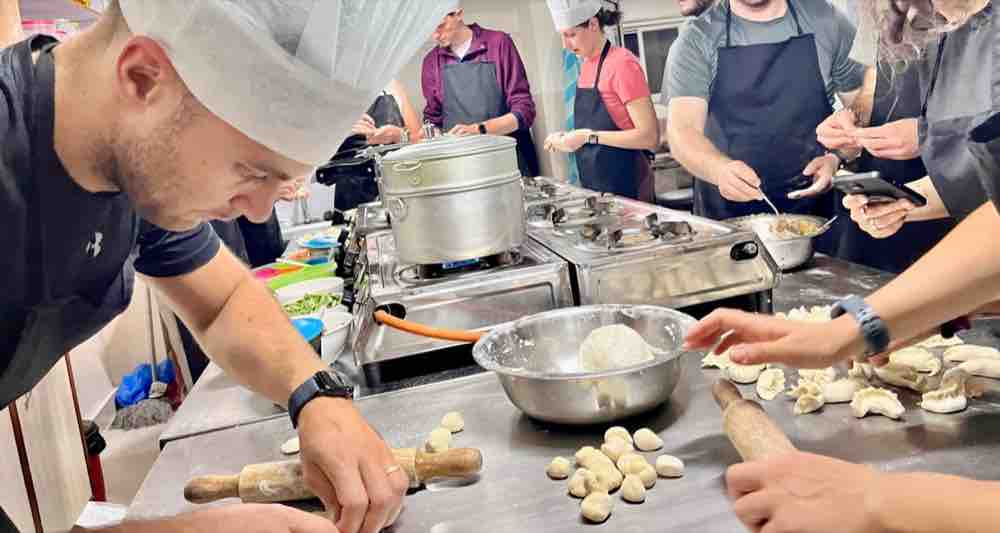
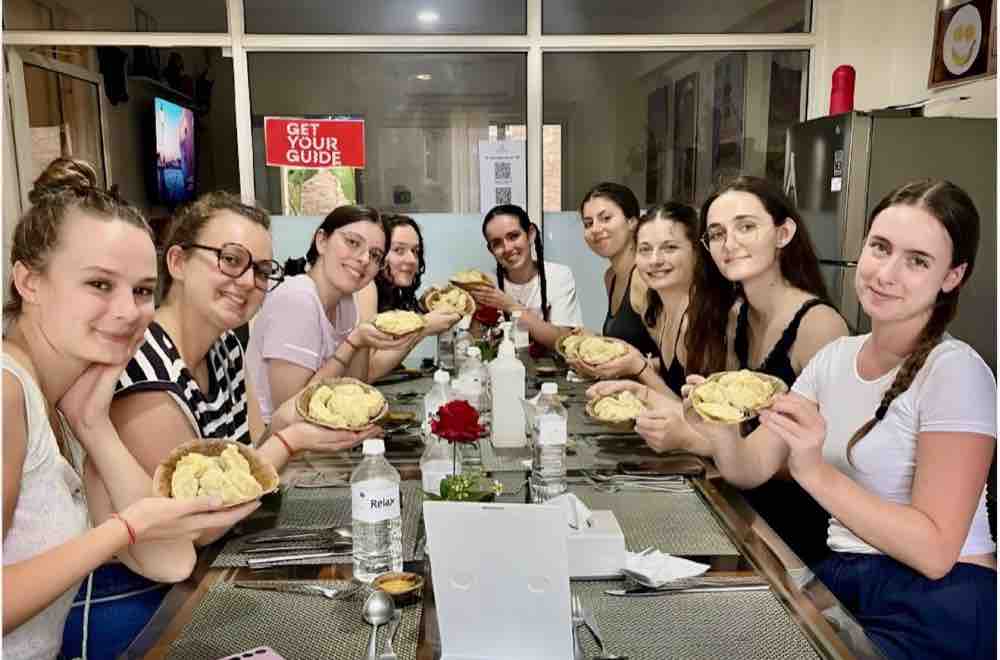
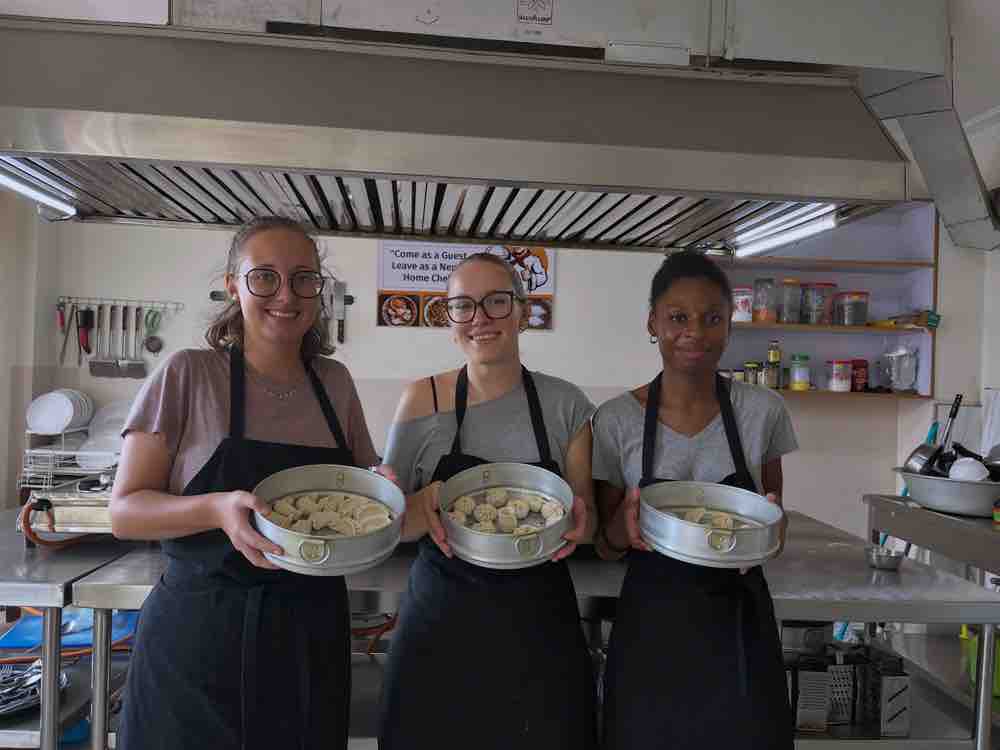
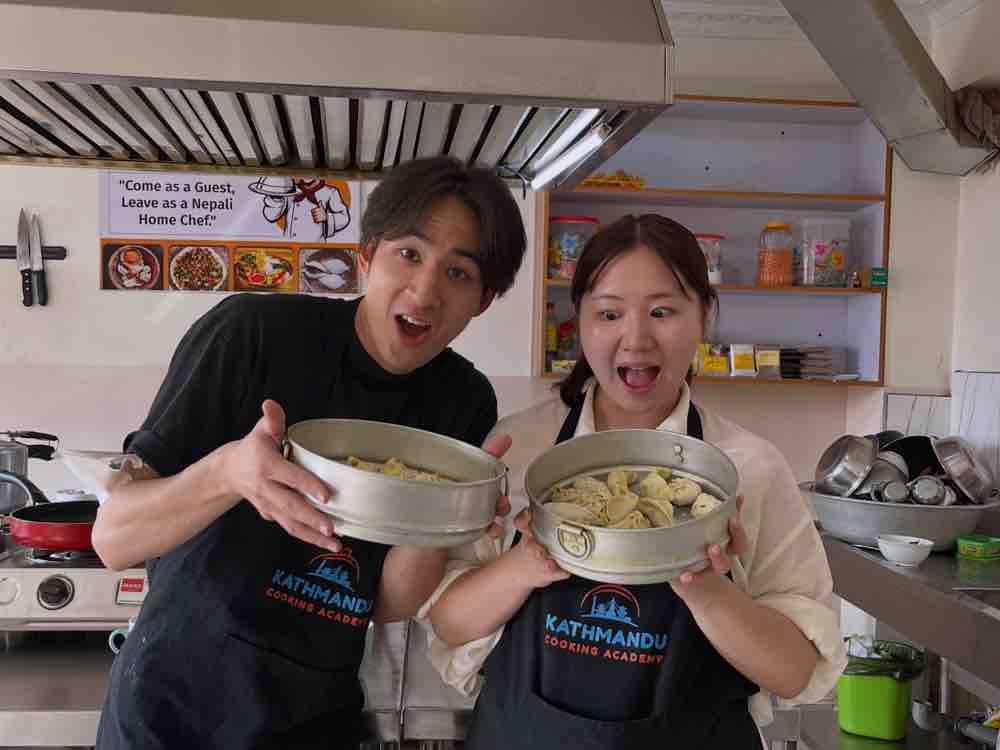
Want to learn the pleats yourself? The momo cooking class teaches you the dough, filling and folding, and you eat what you make.
02Dal bhat: the meal of the nation
Most Nepalis eat dal bhat twice a day: steamed rice (bhat), lentil soup (dal), a seasonal vegetable curry (tarkari), a tangy pickle (achar) and often greens, a poppadom and a little meat curry. Refills of rice, dal and curry are usually free, which is why trekkers say "dal bhat power, 24 hour".
In Thamel and around the city, look for a Thakali set: a refined dal bhat from the Kali Gandaki valley, served on a brass plate with buckwheat, ghee and several pickles.
Eat dal bhat with your right hand as locals do: mix a little rice with dal and curry, then push it into your mouth with your thumb. A spoon is always fine too.
03A Newari feast in the old city
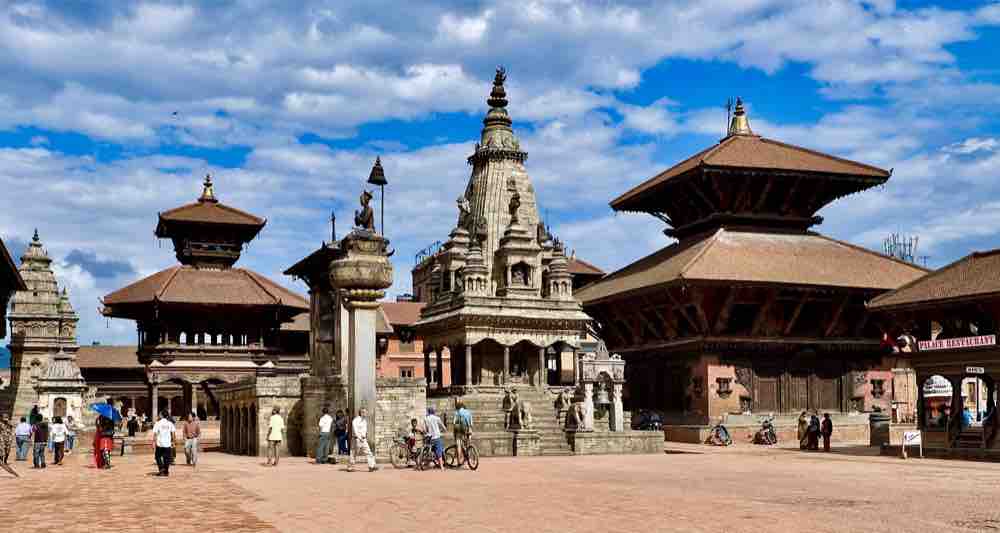
The Newar people built the old cities of the valley, and their cuisine is one of the richest in Nepal. It is at its best in the lanes of old Kathmandu, Patan and Bhaktapur.
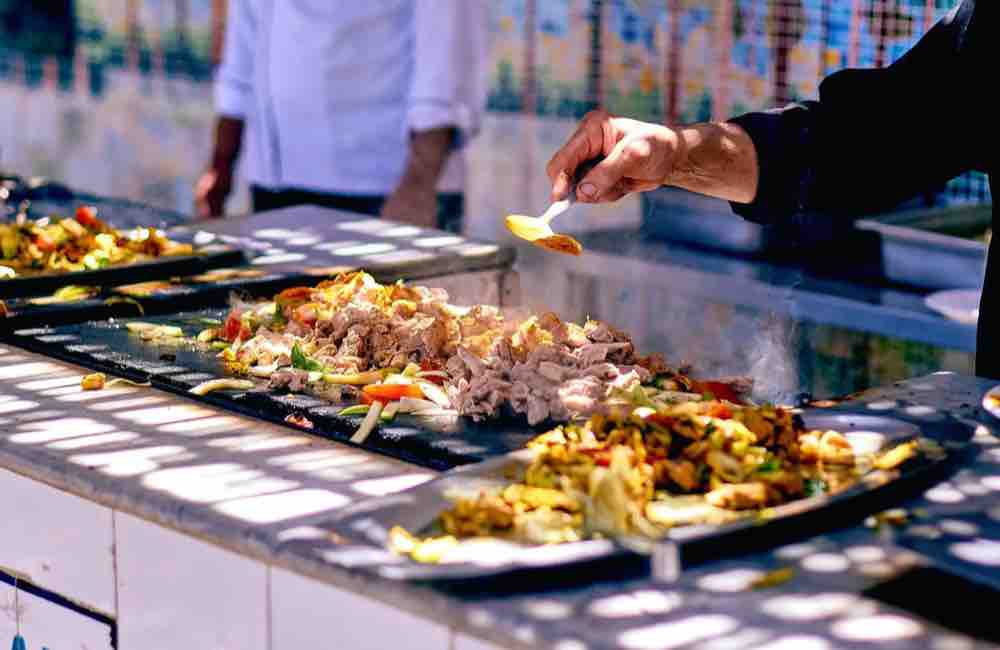
On the food and drink walking tour you taste bara, chatamari, choila and aloo achar at family-run eateries around Asan and Indra Chowk, with a guide who explains what each dish means at Newari festivals.
04Tibetan and Himalayan comfort food
Kathmandu has a large Tibetan community, especially around Boudhanath, and their food is perfect after a day of sightseeing.
- Thukpa: a hearty noodle soup with vegetables or meat.
- Thenthuk: hand-pulled noodle soup, chunkier than thukpa.
- Laphing: a cold, slippery mung-bean noodle dish in chilli and garlic sauce, sold by street vendors.
- Shapale: a crisp fried pie filled with spiced meat.
- Butter tea: salty tea churned with butter; an acquired taste, but very warming.
05Street snacks worth stopping for
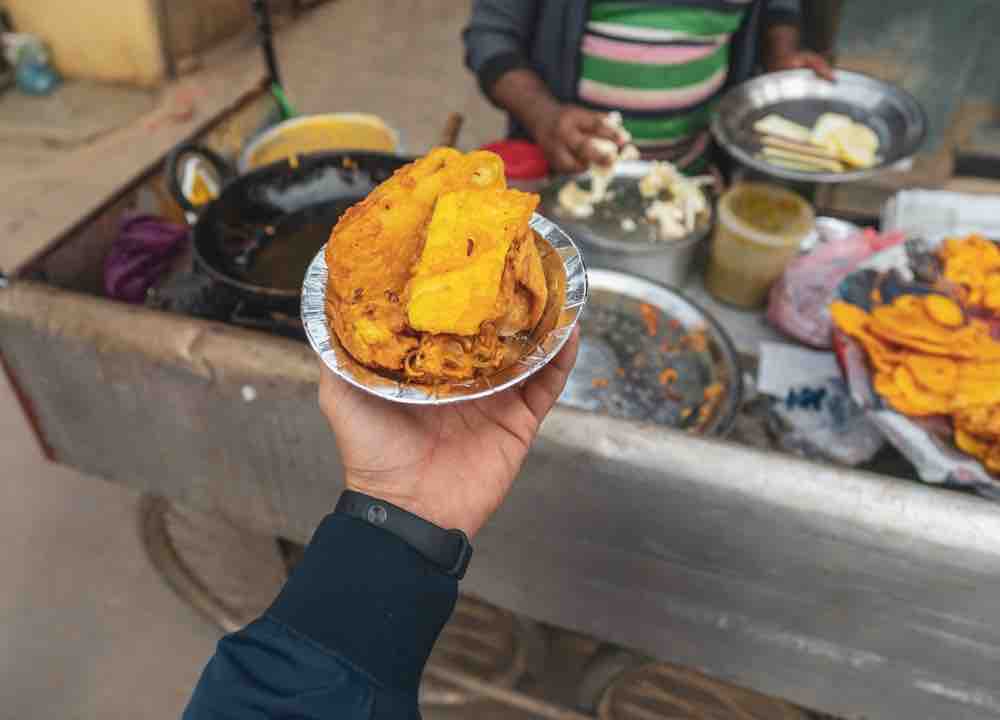
The old bazaars are full of small snack sellers, especially in the late afternoon.
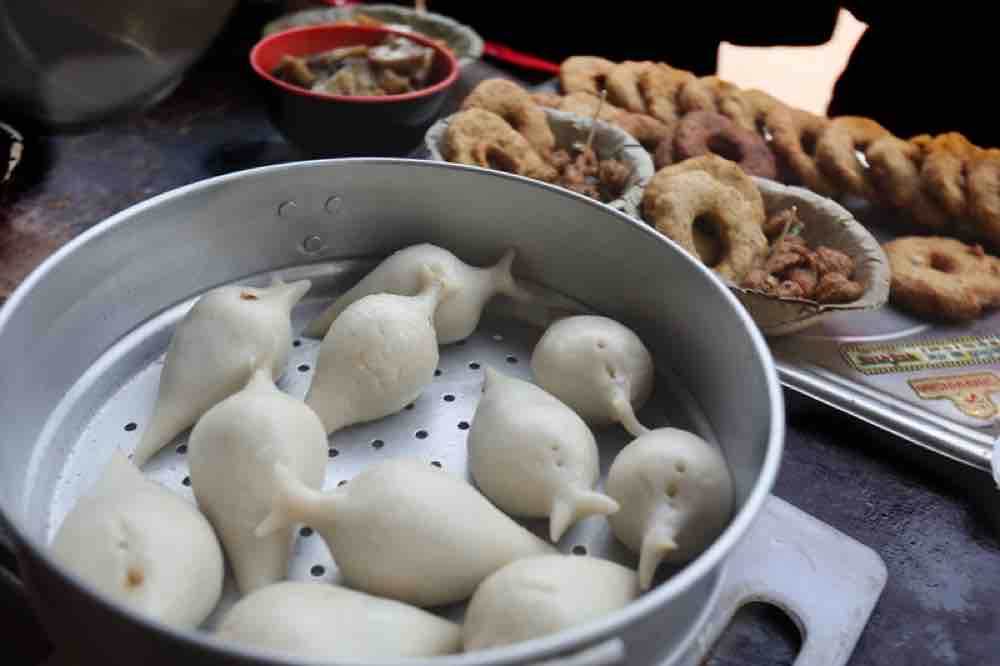
Choose stalls that are busy with locals and cook in front of you. Skip raw salads and cut fruit from street carts for the first few days.
06Sweets and Bhaktapur's king curd
Nepalis have a sweet tooth, and every festival has its own treats.
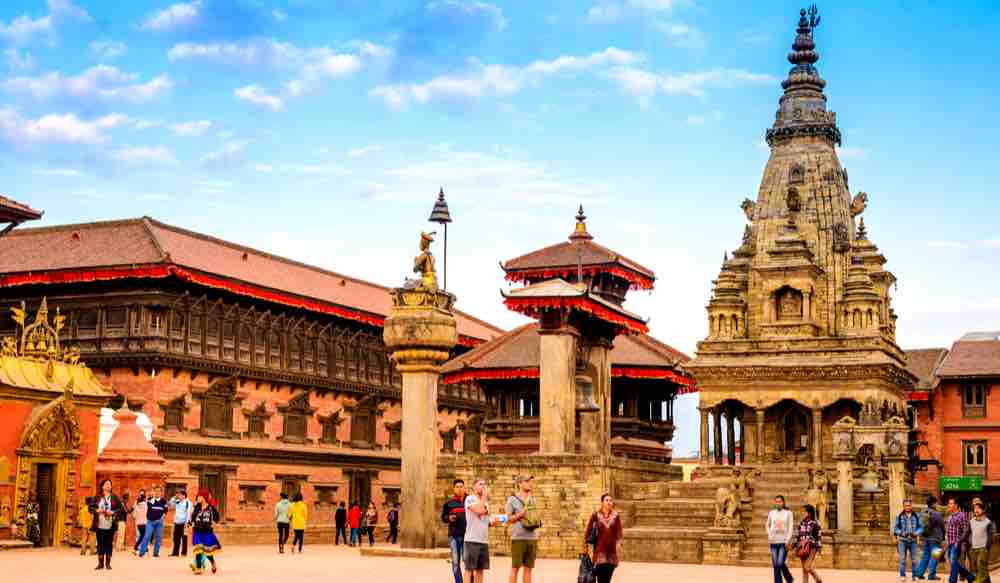
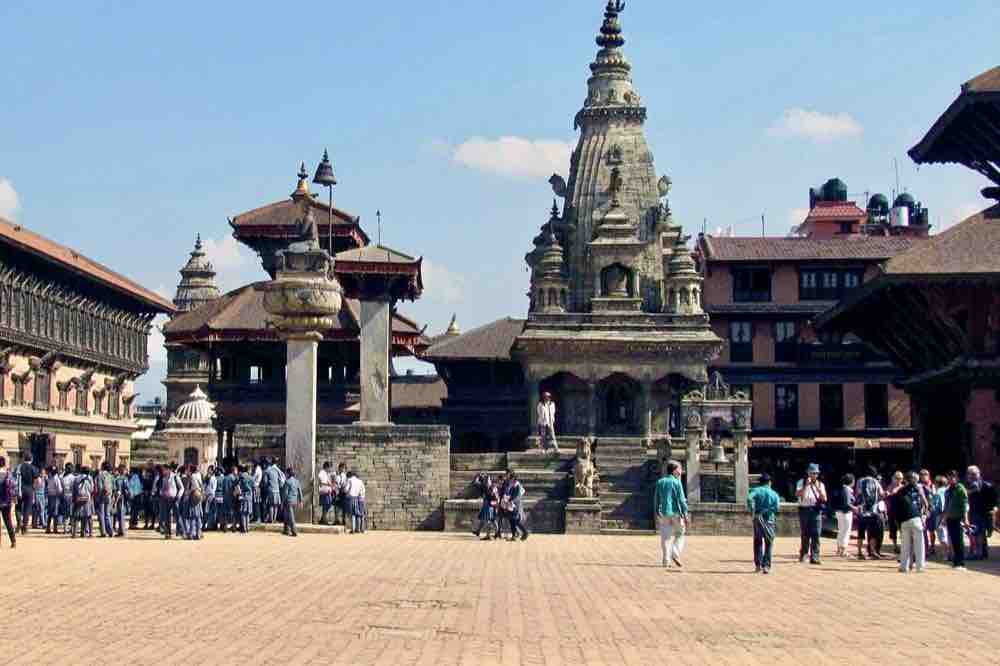
- Juju dhau: Bhaktapur's "king curd", thick sweet yoghurt set in clay pots. Taste it in Bhaktapur itself on the Bhaktapur and Nagarkot tour.
- Yomari: a steamed rice-flour dumpling filled with molasses and sesame, made for the Yomari Punhi festival in December.
- Kheer: rice pudding with cardamom and nuts.
- Jeri and swari: syrupy fried spirals with soft flatbread, a favourite breakfast in the old town.
- Lalmohan: soft milk dumplings in sugar syrup.
07What to drink
- Masala chiya: sweet milk tea with ginger and spices, drunk all day long.
- Lassi: a thick yoghurt drink, sweet or salty; Indra Chowk has a famous lassi shop.
- Sugarcane juice: pressed fresh at street stalls in the warmer months.
- Local alcohol: raksi (a strong distilled spirit), chhyang (cloudy rice beer) and tongba (warm millet beer sipped through a bamboo straw).
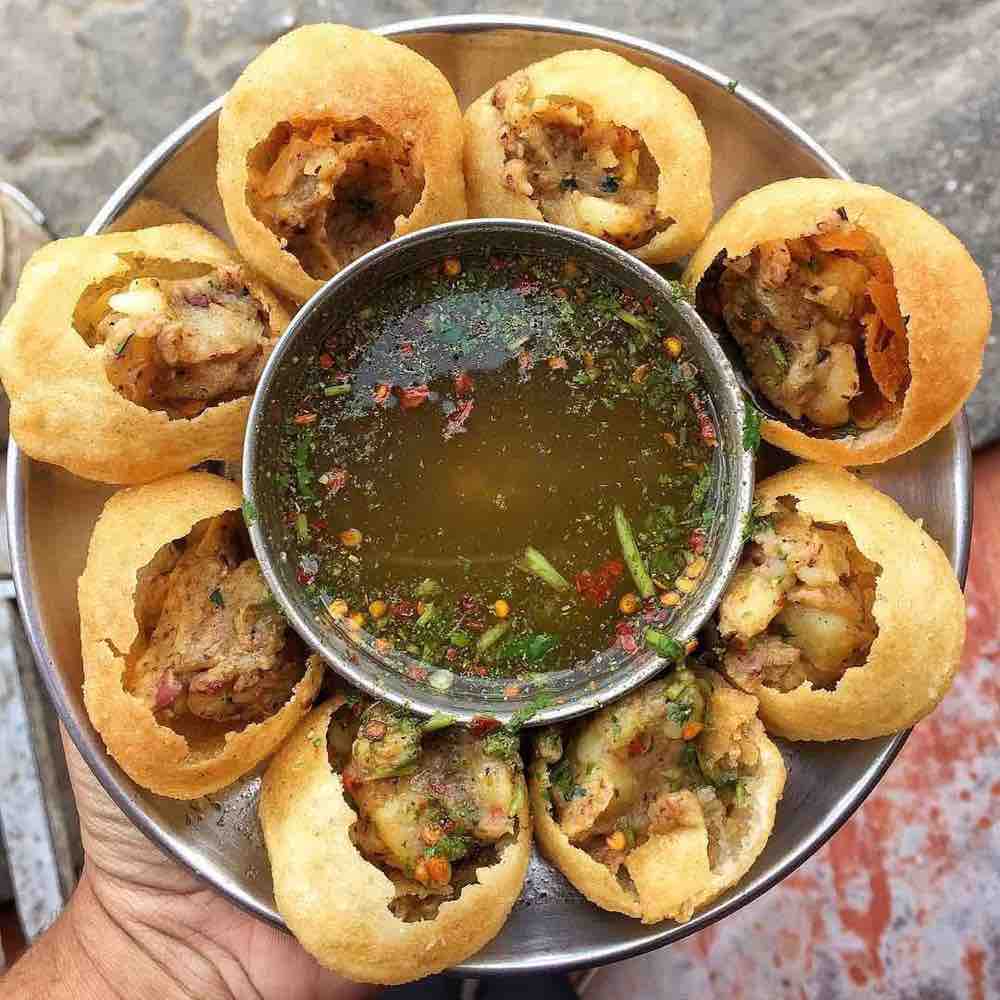
Drink bottled or filtered water, and ask for drinks without ice if you are unsure of the source.
08Eating etiquette and practical tips
- Eat and pass food with your right hand.
- Food or drink that has touched someone's lips is "jutho" (impure); do not offer it to others or put it back in a shared dish.
- Many Hindus do not eat beef, and some do not eat buffalo or pork. Momo menus say which meat is used.
- Vegetarians eat very well in Nepal: dal bhat, vegetable momos, bara, chatamari and most sweets are meat-free.
- Tipping about 10% in sit-down restaurants is appreciated if no service charge is added.
09The easiest ways to taste it all
Kathmandu's best food is often in tiny places without English menus, so going with a local makes a huge difference.
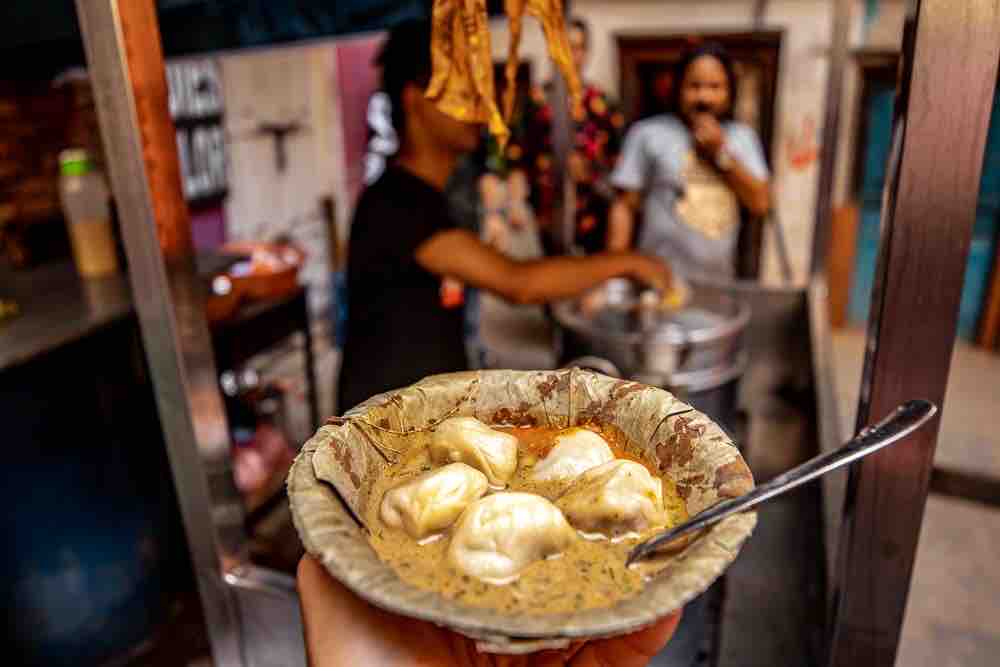
- Food and drink walking tour: more than 10 tastings through Asan, Indra Chowk and Chhetrapati with a local guide.
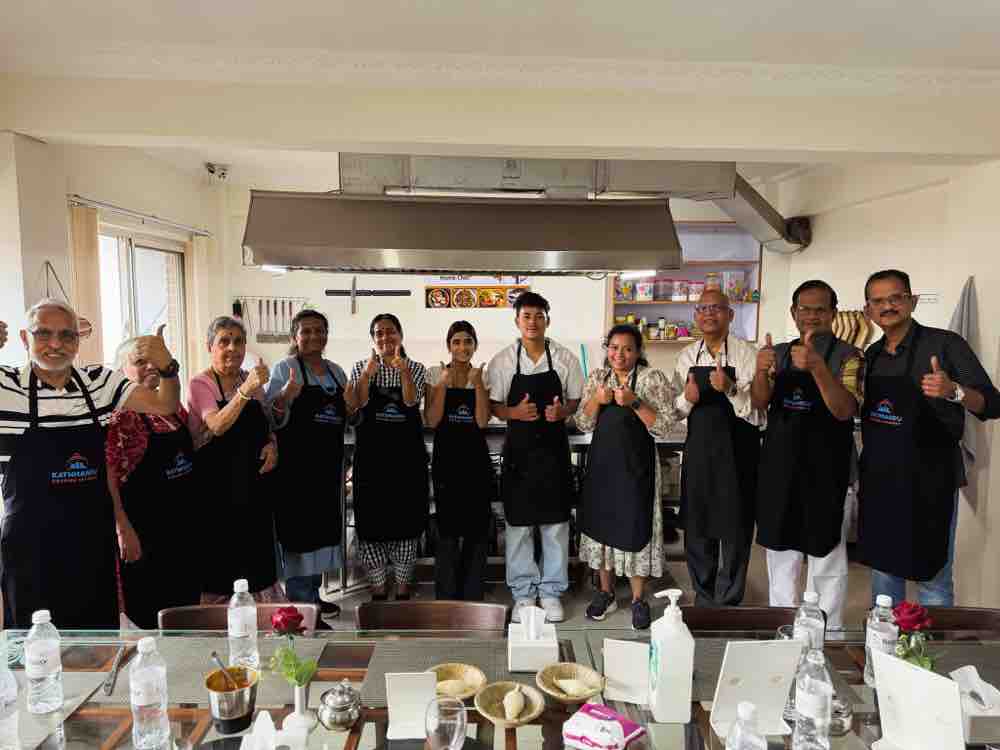
- Momo cooking class: learn to make Nepal's favourite dumpling in 1.5 to 2 hours.
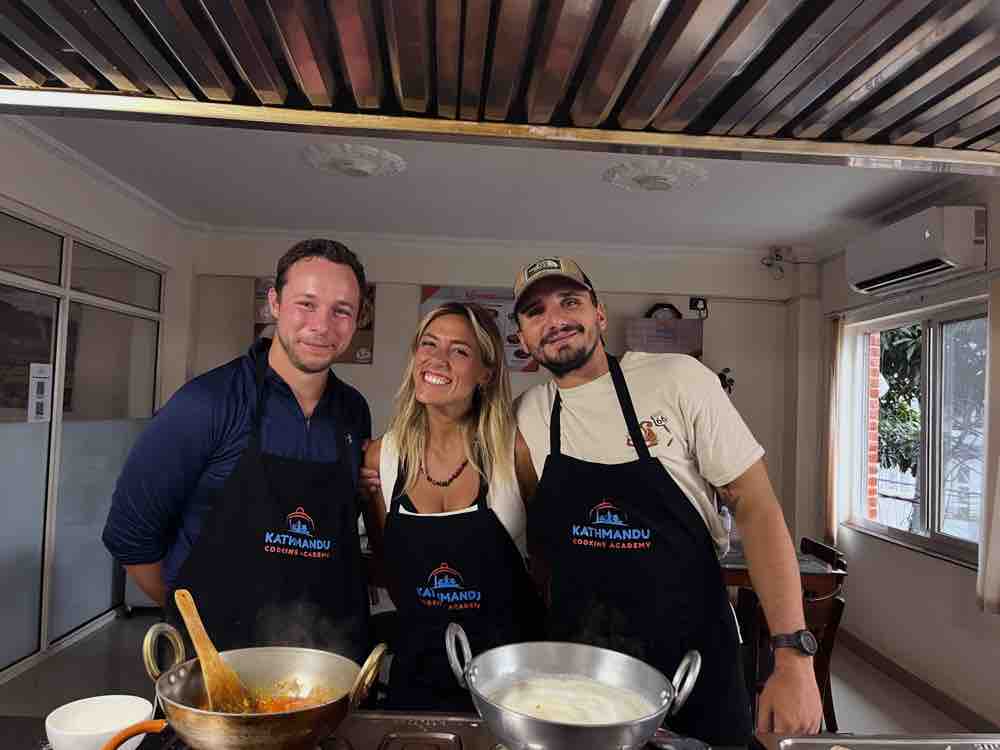
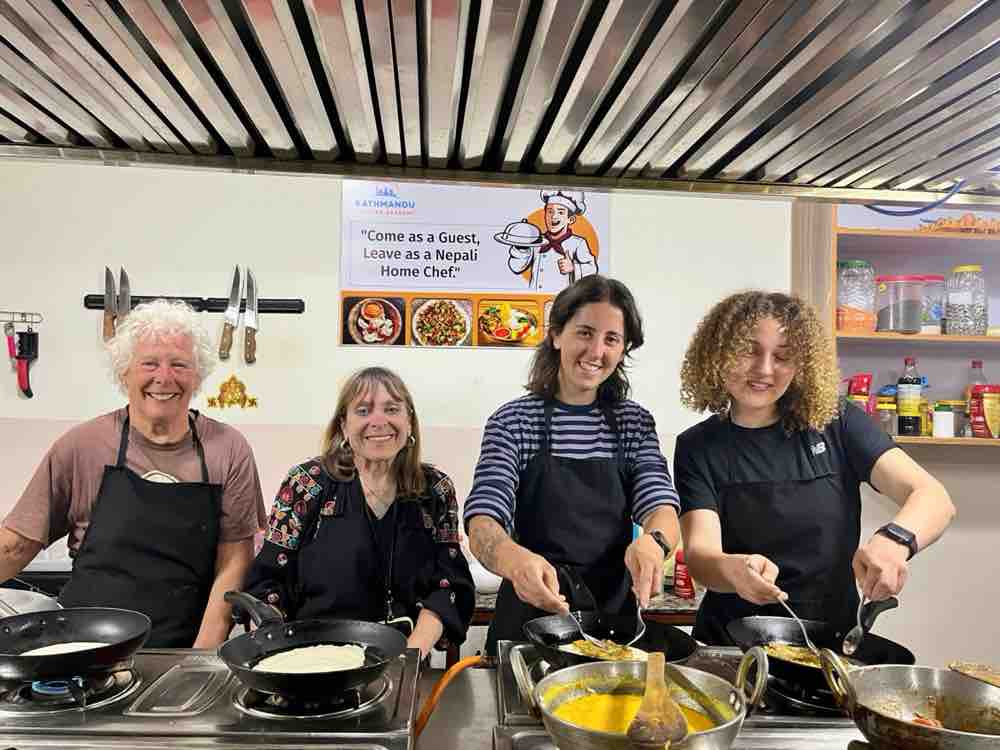
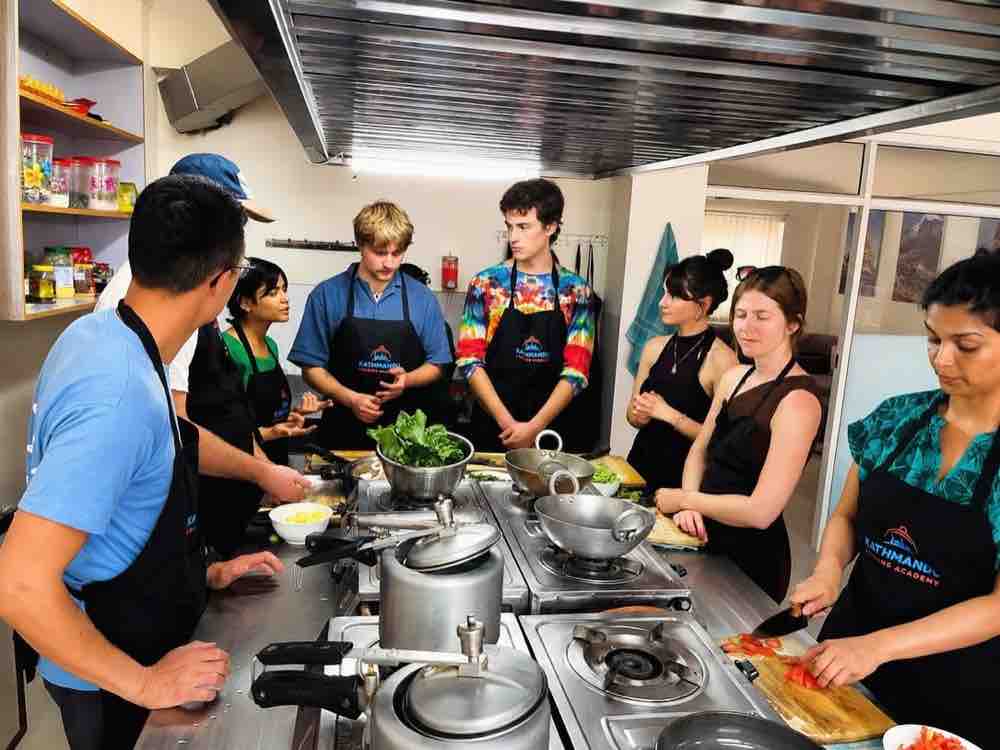
- Nepali cooking class: cook a full dal bhat, curry, pickle and momo, then sit down to your feast.
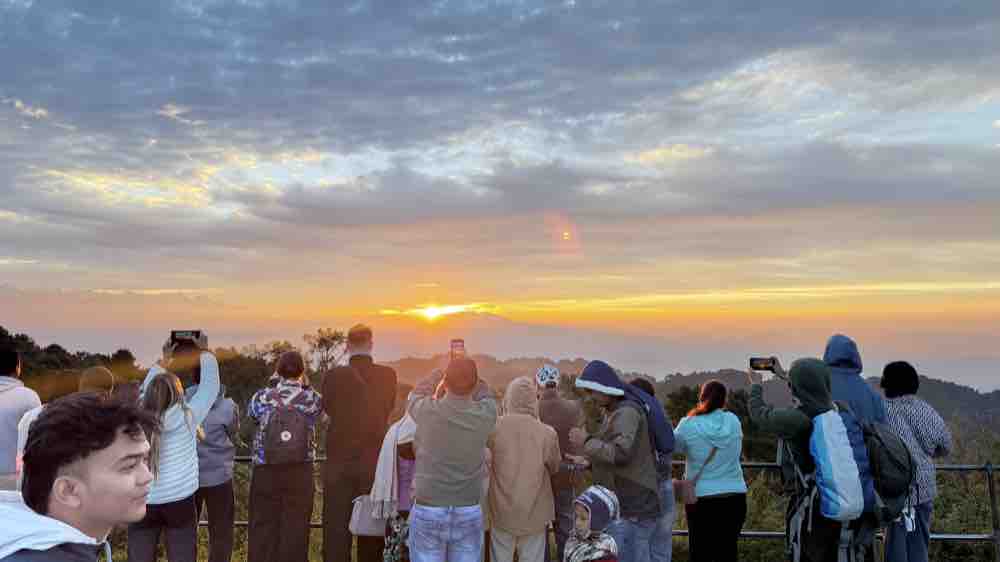
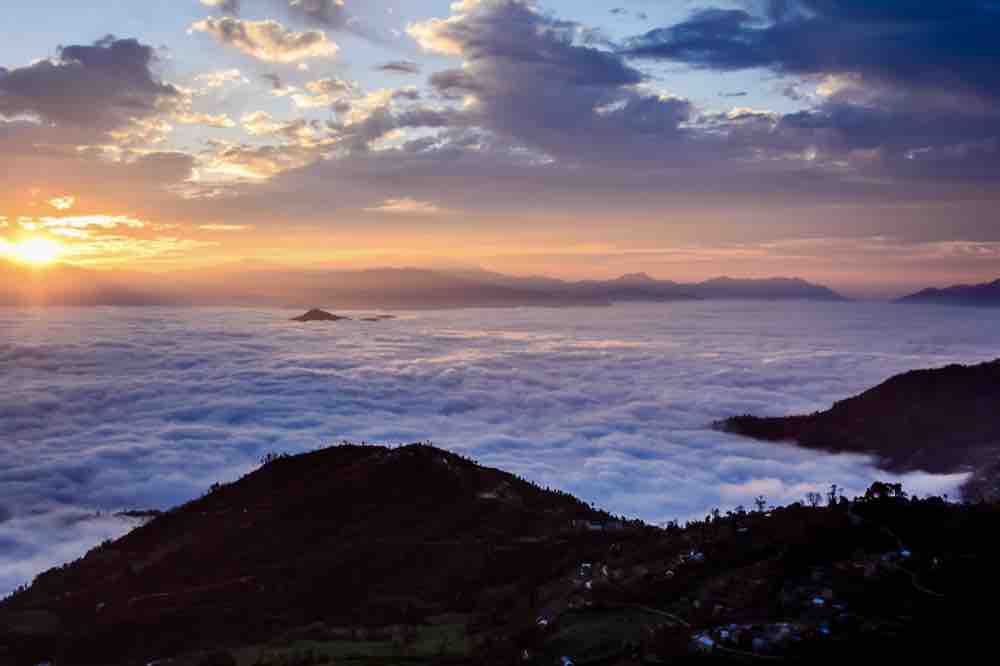
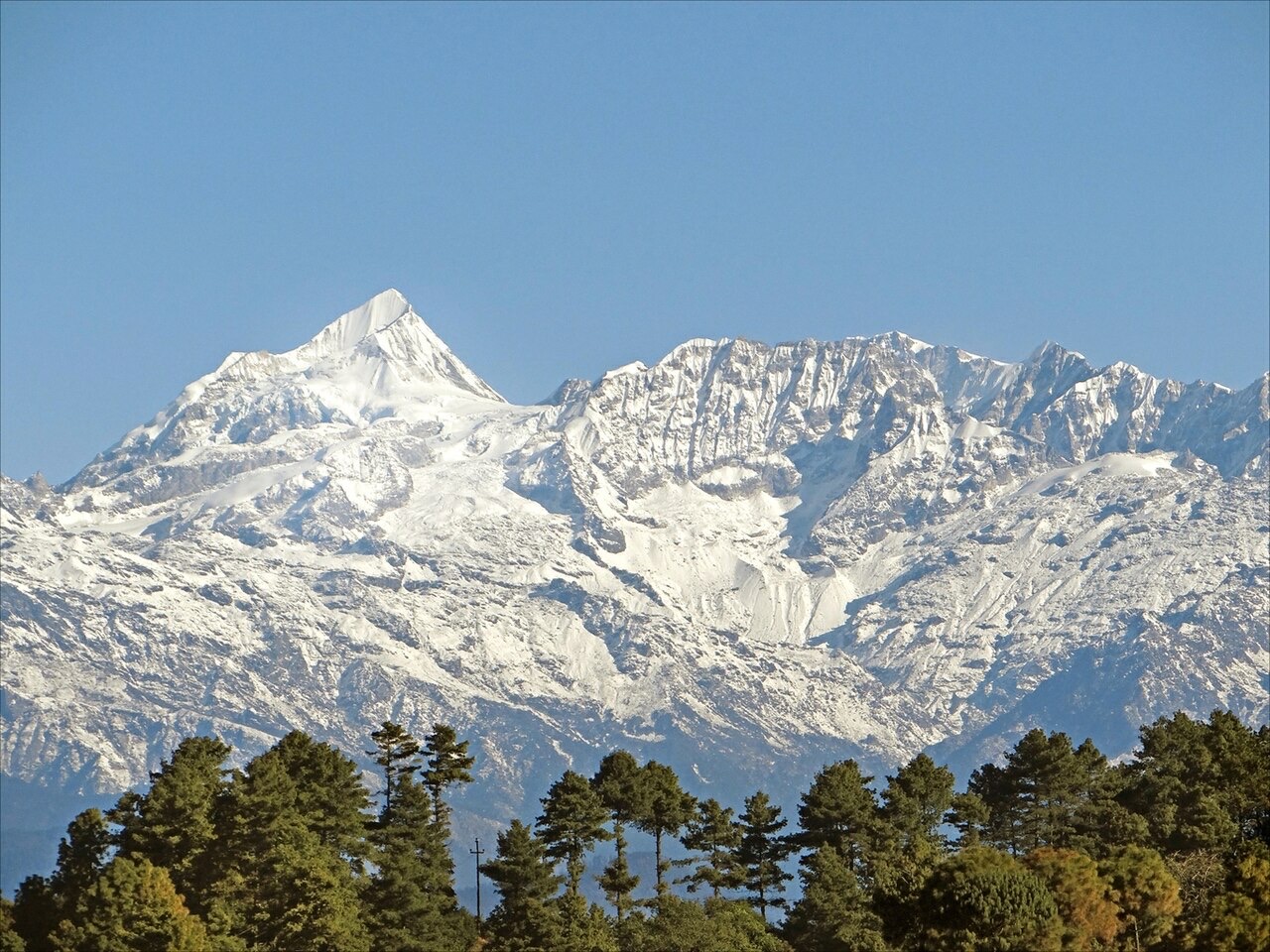
- Bhaktapur and Nagarkot tour: juju dhau in Bhaktapur's squares and mountain views at Nagarkot.
Spending only a day in the city? Read how to spend one day in Kathmandu to fit a food stop between the temples.